productlist

Manganese Dioxide Charge: What Buyers Should Confirm

manganese dioxide charge

The term manganese dioxide charge can describe a measured quantity of manganese dioxide introduced into a process. It does not, by itself, identify a grade, a fixed batch size or a material approved for a particular end use. That distinction matters when a purchasing team receives a request from production: two processes may call for manganese dioxide but require different purity, particle characteristics or impurity limits. QingChong New Materials is a Chinese manganese chemical manufacturer integrating R&D, production and sales. For buyers assessing a manganese dioxide charge, the useful starting point is the intended process and the specification it requires, rather than an assumed meaning of the word “charge.” This page explains what the term may cover, which operating conditions affect suitability and what to confirm before requesting a quotation. It is intended for industrial buyers, process engineers and procurement teams who need to translate a production requirement into a material inquiry. No grade, charge weight or application-specific performance is implied without supporting product data.

Technical Detail

Configured around process stability, mold life, and long-term uptime.

In procurement, a manganese dioxide charge is best treated as a process requirement: a specified amount of manganese dioxide to be added to a vessel, mixture or other production step. The phrase describes how a buyer intends to use the material; it is not a standalone product specification. QingChong New Materials manufactures manganese chemicals and combines R&D, production and sales operations. The company is based in the Xiangtan Manganese Mine area, has more than 20 years of industry experience and reports a strict quality control system. Those are relevant supplier details, but they do not establish that any particular manganese dioxide grade meets a buyer’s process limits. The information provided here contains no product datasheet, so available grades, assay, particle size, impurity levels and packaging cannot be stated. Buyers should therefore separate the documented supplier background from the properties that still need verification for their own charge. If an internal request uses “charge” to mean an electrochemical use rather than a batch addition, say so explicitly; the two interpretations call for different technical discussions. QingChong’s role in an inquiry is to review the intended use against the material information it can provide. Suitability should be confirmed against a current specification and, where necessary, the buyer’s own process testing before a production quantity is approved.

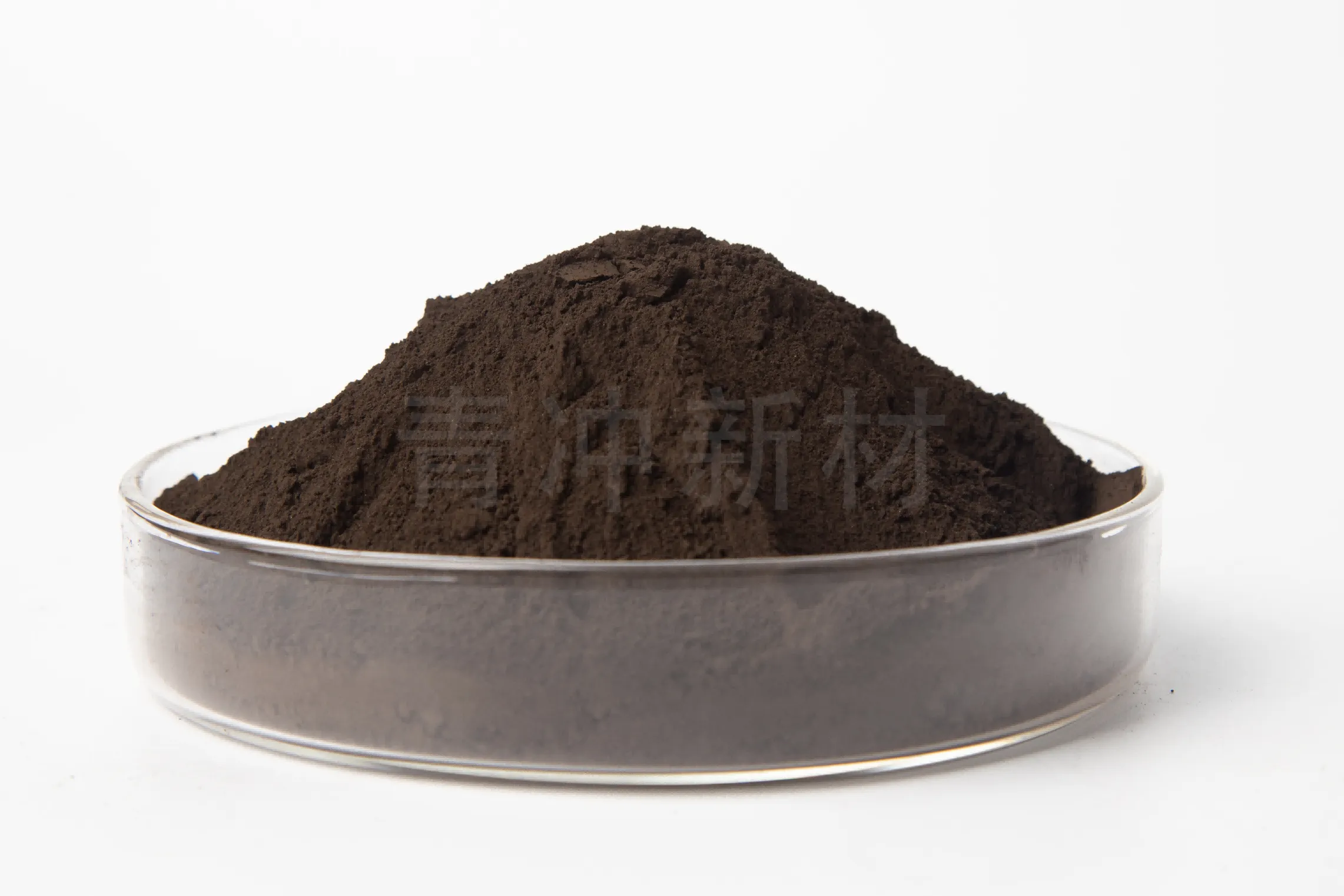
Manganese Dioxide(MnO₂)

What a Charge Describes in a Production Recipe

A charge is the amount of material introduced at a defined stage of an operation. In a recipe, the number attached to it may refer to a single batch, a repeated addition or a target proportion of the overall mixture. The phrase “manganese dioxide charge” leaves those details open. It also says nothing about the material’s assay or how its particles behave during feeding and mixing. This is why a production instruction and a purchasing specification serve different purposes: one tells an operator when and how much to add, while the other defines which material may be received. QingChong’s integrated R&D, production and sales background makes it a relevant contact for discussing manganese chemical requirements, but no supplied product file identifies a specific charge formulation or grade. For technical communication, keep the recipe quantity, measurement basis and material specification as separate fields. That distinction helps prevent a requested quantity from being mistaken for a product name. It also gives the supplier a clearer basis for checking whether documented material properties correspond to the intended process.
Manganese Dioxide(MnO₂)

Check the Conditions Behind the Requested Charge

A manganese dioxide charge that works in one operation should not automatically be carried over to another. The receiving process may involve dry handling, dispersion in a liquid or contact with other ingredients; each creates different questions about feeding, mixing and unwanted contaminants. The buyer’s acceptance limits matter as much as the nominal charge amount. For example, if uniform distribution affects the process, particle characteristics may need review. If the finished product has impurity restrictions, an assay figure alone may not be enough to establish suitability. No grade-specific figures have been supplied for QingChong material, so these are evaluation points, not claims about its performance. Record the addition point, process medium, temperature conditions and any handling constraints relevant to your operation. Then compare the applicable product documentation with your internal limits. Where documentation does not address a condition, identify it as an open question and consider a process trial before approving routine use. This approach gives engineering and procurement teams a defensible basis for judging fit without treating the term “charge” as proof of compatibility.

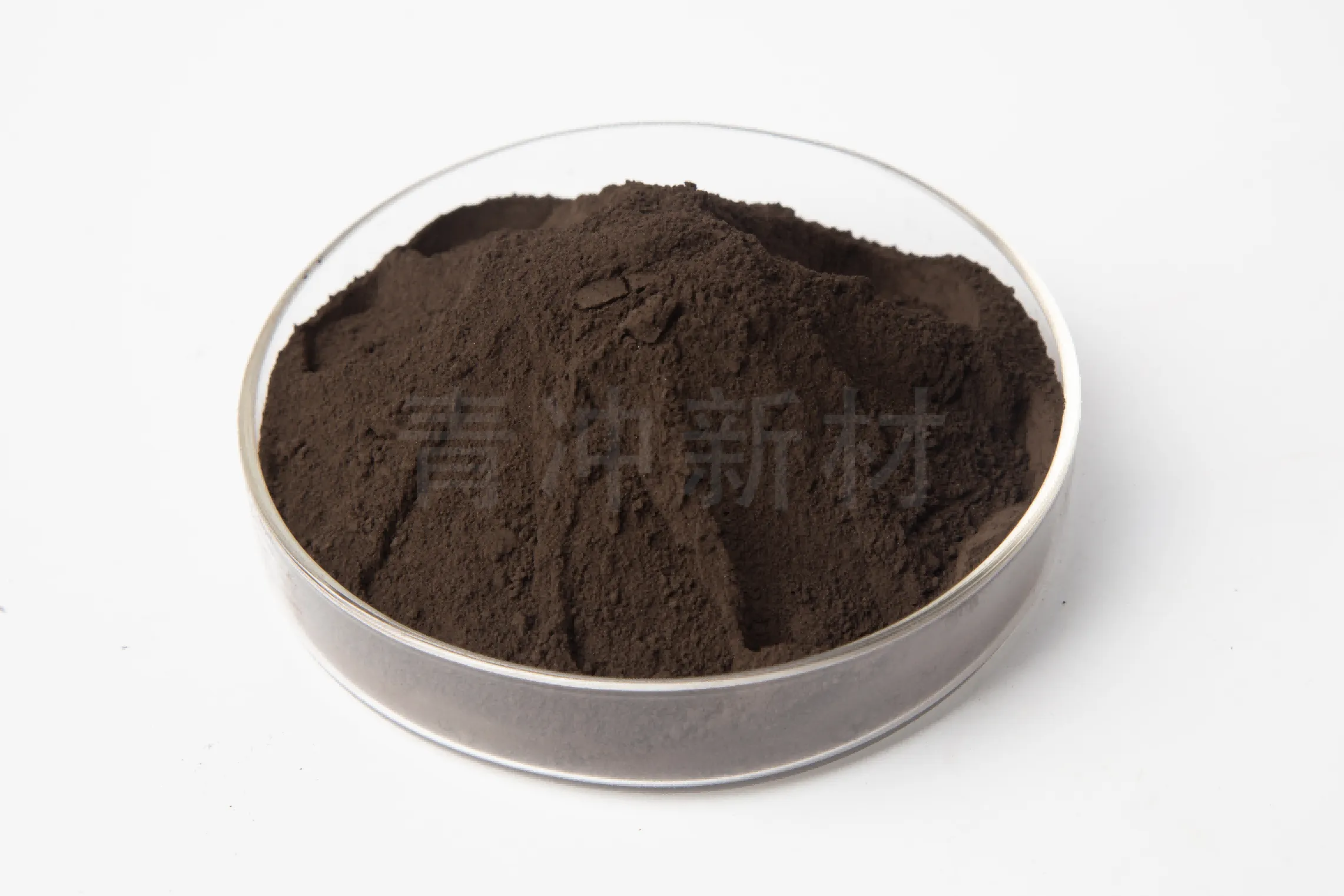
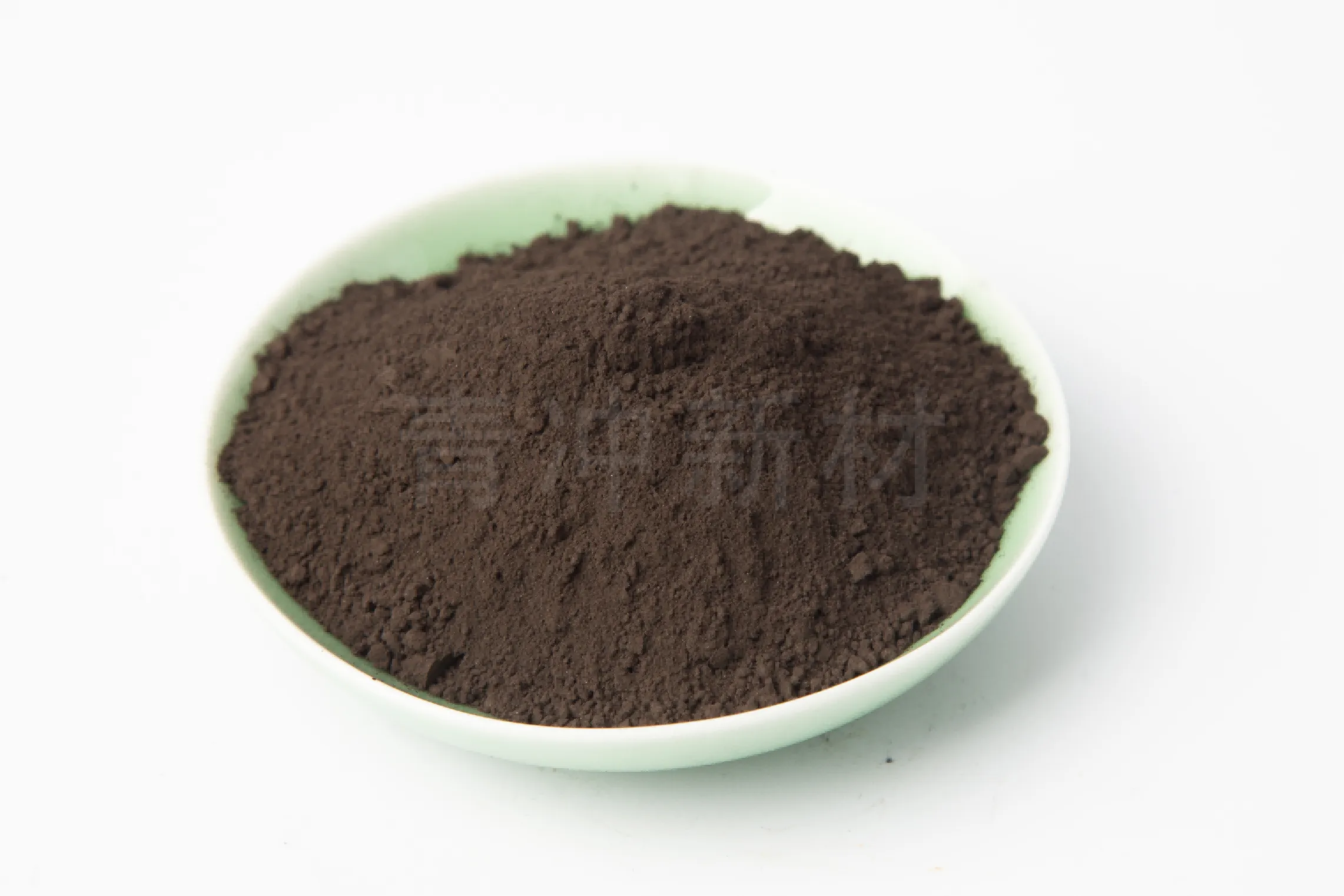
Manganese Dioxide(MnO₂)

Prepare a Manganese Dioxide Charge Inquiry

A useful inquiry begins with the material’s intended role. State whether “manganese dioxide charge” means a measured batch addition or material for an electrochemical application. Include the quantity per charge and its unit, expected frequency of use, process description and any existing purchasing specification. If your team has limits for assay, impurities, particle characteristics or packaging, provide those limits rather than asking for a generic grade. These details let QingChong review the requirement against its available material documentation; they do not assume that a matching product or configuration exists. Ask for the current specification for any proposed material and identify which of your acceptance criteria it addresses. If you have an existing approved material, its documented specification can provide a practical comparison point, subject to your internal disclosure rules. Before placing an order, confirm the exact product designation, agreed specification, quantity basis and packaging in the commercial documents. Keep any application approval with the personnel responsible for process qualification. A short, precise inquiry is more useful than a charge weight alone because it exposes the requirements that determine whether the material can actually be used.

News

Industry updates

Products

Production modules

Why Choose Us

Why Discuss Manganese Dioxide Requirements with QingChong

QingChong New Materials offers a defined manufacturing background for buyers investigating a manganese dioxide charge. Based in the Xiangtan Manganese Mine area, the company combines R&D, production and sales and reports more than 20 years of manganese industry experience. That combination provides a practical point of contact when a production requirement needs to be translated into a material discussion. Its stated strict quality control system is relevant when buyers request a documented specification for review. QingChong passed ISO9001:2008 quality management system certification in July 2010 and was certified as a National High-tech Enterprise in September 2019. These credentials describe company background; they should not be read as certification of an unspecified manganese dioxide grade or as evidence of fitness for a particular application. The company also describes global export capabilities and maintains a multilingual website, which may help international teams communicate requirements. For a purchasing decision, the strongest use of these capabilities is straightforward: present the operating conditions and acceptance limits, request the applicable material documentation, and evaluate that documentation against your own qualification procedure.

FAQ

Common technical questions

Does a manganese dioxide charge specify how much material comes in a package?

No. A charge usually refers to the amount used at a process step, while package quantity is a separate purchasing detail. Confirm both in the inquiry and commercial documents.

Can I use the same manganese dioxide charge for an electrochemical application?

Do not assume so. An electrochemical application may have requirements that a general batch-addition description does not capture. Provide the intended use and acceptance specification, then review the proposed material documentation.

What should operators check before adding a new batch?

Check the product identification against the approved specification and verify the recipe’s charge quantity and units. Follow your site’s handling procedure; any change in material should go through your normal process approval.

Is assay enough to compare two manganese dioxide materials?

Usually not. Depending on the process, impurity limits and particle characteristics may also matter. Compare the properties required by your application using current specifications, rather than assuming equal assay means equal performance.

Need a solution for your project?

Share your product type, target capacity, and application requirements. Our team can review the details and recommend a practical next step.

Contact Us
Whatsapp
WeChat

CONTACT US

Office Address:21/F,Zhonghan Fortune Building,Ji'an Road, Yuetang District,Xiangtan,Hunan,China

Factory Address: Heling Town, Yuhu District, Xiangtan City, Hunan Province, P.R.China

WhatsApp: 8613786275365

Fax: 86-731-52326088

E-mail: [email protected]