productlist

manganese carbonate charge: Chemistry and Buying Checks

manganese carbonate charge

The phrase manganese carbonate charge can point to two different questions. A chemist may be asking about the electrical charges in manganese carbonate: manganese is present as Mn²⁺, carbonate as CO₃²⁻, and the compound MnCO₃ is electrically neutral. A production buyer may instead mean the quantity or composition of manganese carbonate charged into a process. Those meanings should be separated before anyone recommends a material or discusses a supply requirement. For a process charge, the relevant questions are what the material will be used to make, how it enters the process, and which impurities the downstream operation can tolerate. QingChong New Materials is a Chinese manganese chemical manufacturer integrating R&D, production, and sales. Its background makes it a relevant contact for a technical sourcing discussion, but the information provided here does not establish a manganese carbonate grade, specification, or current availability. Buyers should therefore treat this page as a starting point for defining the requirement, then request a product specification and confirmation of supply before qualifying material for a production charge.

Technical Detail

Configured around process stability, mold life, and long-term uptime.

In a purchasing context, manganese carbonate charge refers to manganese carbonate intended for addition to a defined process batch or feed. It is a description of the material's role, not a grade name or a fixed charging rate. The available information establishes the chemical formula MnCO₃, but provides no verified assay, particle-size range, impurity limits, packaging format, or recommended charge quantity for a QingChong manganese carbonate product. Those details must come from a current specification rather than an assumption based on the keyword. QingChong New Materials operates as an integrated manganese chemical manufacturer with R&D, production, and sales activities. The company is located in the Xiangtan Manganese Mine area and reports more than 20 years of industry experience. Its stated approach emphasizes quality control and integrity; it also reports ISO9001:2008 quality management system certification passed in July 2010. These are company facts, not evidence that a particular manganese carbonate grade has been approved for any application. For buyers, the practical value of identifying the intended charge is that it turns a broad material inquiry into a testable requirement. State the downstream product or reaction, the acceptable composition range, and the method used to calculate batch additions. Ask QingChong to confirm whether it offers a matching material and to provide current technical documentation. Only then can purchasing and process teams assess whether the proposed material fits their operation.

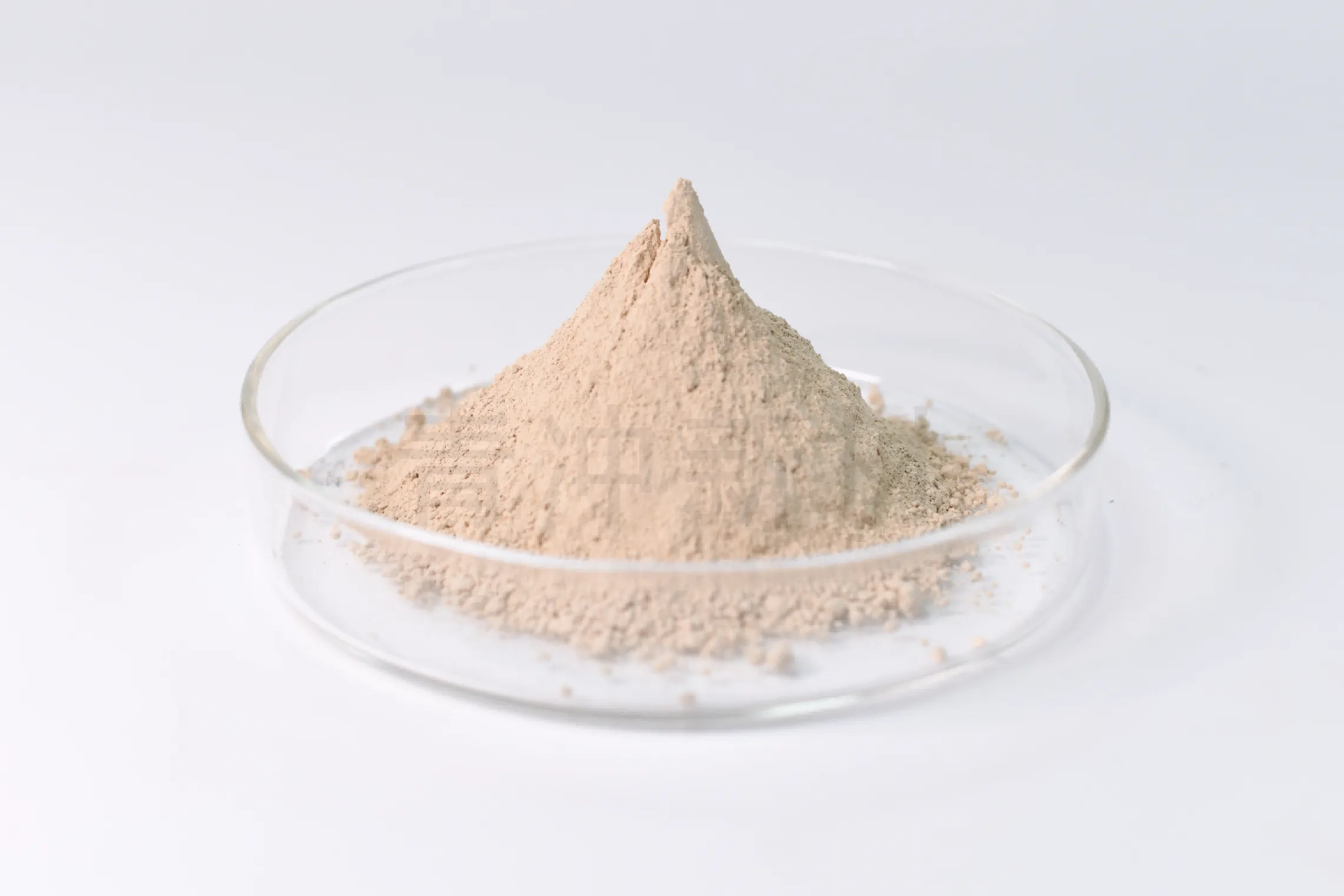
Manganese Carbonate (MnCO₃)

What “Charge” Means in MnCO₃ Chemistry and Process Records

In the chemical formula MnCO₃, “charge” describes the ions that balance to form the compound. Manganese has a +2 charge and carbonate has a −2 charge; the formula unit has no net electrical charge. This answers the chemistry question, but it does not tell a plant operator how much material to add. In a batch record, “charge” usually means a feed addition: a measured amount introduced at a specified stage of the process. The same phrase can therefore refer either to ionic charge or to a production input. Keeping those meanings separate prevents a misleading specification request. A request for “manganese carbonate charge” alone does not identify an assay target, physical form, charging sequence, or batch quantity. Nor does the formula reveal what a supplier's actual material contains beyond its named compound. QingChong's stated integration of R&D, production, and sales provides a basis for a technical conversation, but no manganese carbonate product sheet was supplied for this page. Any explanation of a specific QingChong grade must wait for verified product documentation.
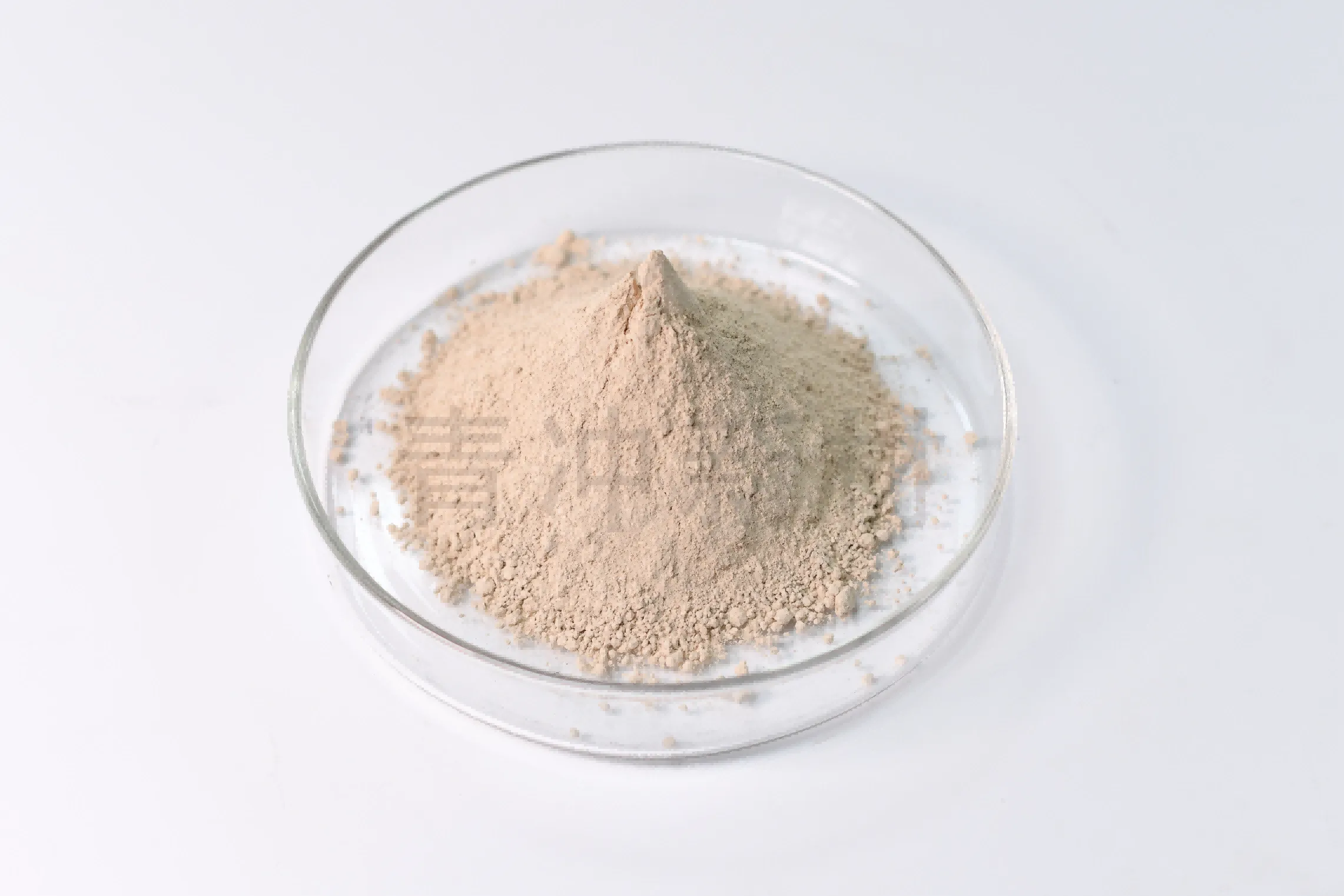
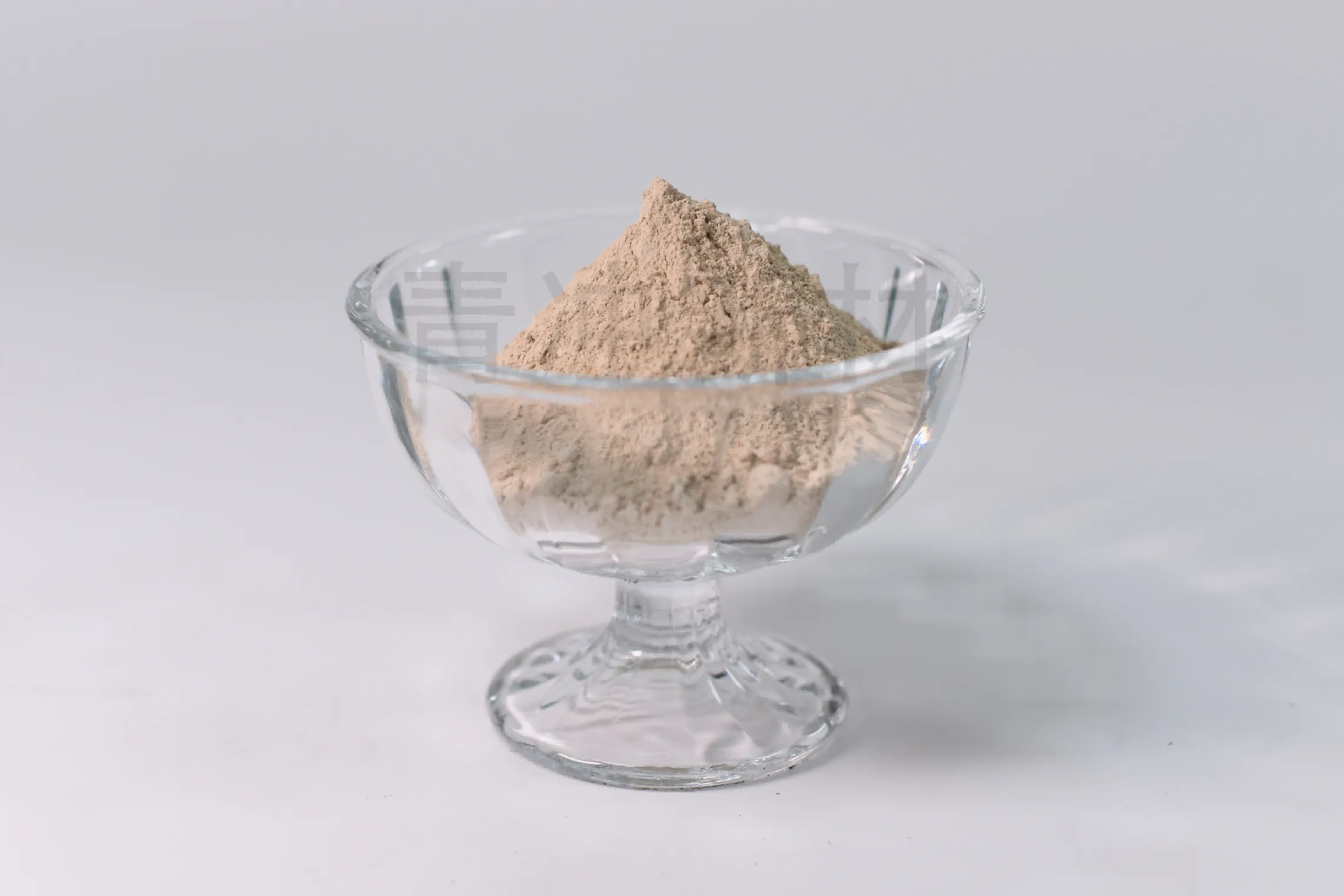
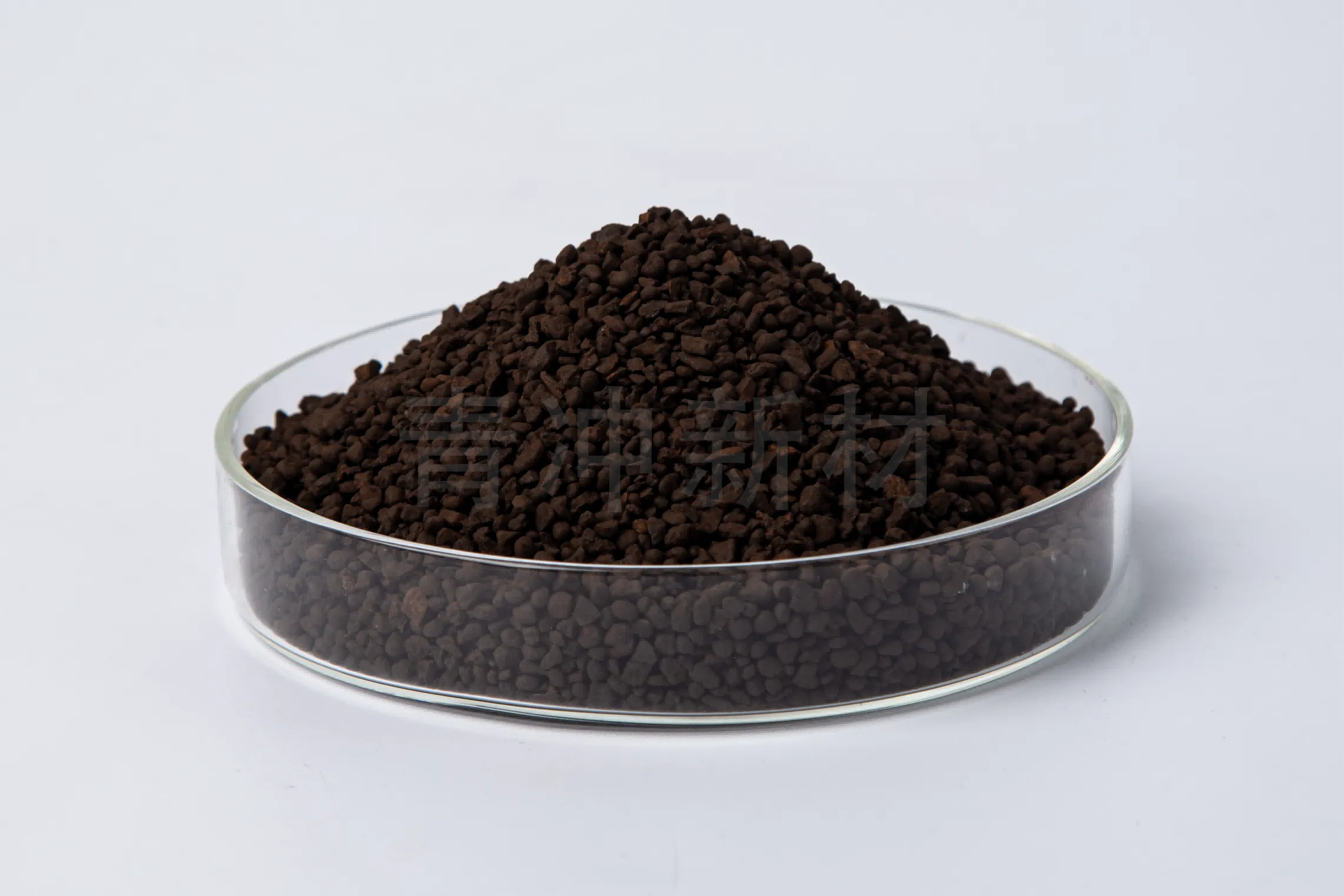
Manganese Carbonate (MnCO₃)

Which Process Conditions Determine Feed Suitability?

A manganese carbonate feed should be evaluated against the process that receives it, not against its name alone. For a wet-stage addition, a buyer should consider how the material is introduced and whether particle behavior or impurities could interfere with the operation. For a heated stage, the process team should review temperature conditions and downstream gas-handling needs; carbonates can release carbon dioxide during decomposition, but the behavior of a particular batch depends on the process. The intended product also matters. A tolerance that is acceptable in one manganese chemical route may be unsuitable where tight control of specific elements is needed. These are assessment questions, not claims that QingChong offers a grade for either route. No assay, moisture value, particle-size distribution, or impurity profile has been provided for its manganese carbonate. Compare any proposed specification with your acceptance limits and, where necessary, evaluate a representative sample under your own operating conditions. The deciding evidence is compatibility with the actual feed system and downstream quality requirements, supported by current supplier documentation.

Manganese Carbonate (MnCO₃)

Information to Confirm Before Requesting a Manganese Carbonate Charge

Start an inquiry with the meaning of “charge.” If you need an explanation of MnCO₃ ionic charges, no product quotation is required. If you need material for production, identify the end use, the stage at which it will be added, and whether the charge is calculated from total material mass or a required manganese input. Provide the target composition limits used by your team, including any impurities that would disrupt the process. Add your preferred physical form and packaging requirements if those affect handling; neither has been specified for a QingChong manganese carbonate product here. Request confirmation that QingChong currently supplies manganese carbonate, followed by a current product specification and applicable batch documentation. Ask the supplier to clarify the basis used for reported composition values so your team can compare them with its own acceptance criteria. Keep commercial questions separate from technical qualification: price, order quantity, and timing cannot be inferred from company background. Once the material and its documented limits are clear, the buyer can review a proposed charge calculation through the normal process-approval procedure.

News

Industry updates

Products

Production modules

Why Choose Us

Why Discuss a Manganese Carbonate Charge With QingChong?

A charge-material inquiry often reaches both procurement and process engineering. QingChong New Materials brings an established manganese chemical background to that discussion: it reports more than 20 years of industry experience and operates R&D, production, and sales within one business. Its location in the Xiangtan Manganese Mine area connects the company to a major manganese production base. On the management side, QingChong states that it uses a strict quality control system and passed ISO9001:2008 quality management system certification in July 2010. It was certified as a National High-tech Enterprise in September 2019 and reports invention patents obtained in cooperation with local universities. Its multilingual website supports communication with buyers in global markets. These points describe the manufacturer, not a verified manganese carbonate specification or an assurance that a given charge will work in your process. A sound next step is to ask for written confirmation of product availability and current technical data, then check that information against your own feed, quality, and handling requirements before approving a supplier.

FAQ

Common technical questions

Is the manganese carbonate charge +2 or −2?

The manganese ion in MnCO₃ is +2 and the carbonate ion is −2. Their charges balance, so manganese carbonate as a compound has no net charge.

Can manganese carbonate be used in a heated process?

That depends on the process temperature, intended reaction, and gas-handling arrangement. Carbonates can release CO₂ on decomposition; confirm the relevant conditions and evaluate the proposed material against your process requirements.

Should I calculate the charge from material weight or manganese content?

Use the basis specified by your process recipe. If the target is a manganese input, confirm the documented manganese content of the proposed material before calculating the addition; do not assume every batch has the same assay.

What document should I request before trialing a QingChong material?

First confirm that QingChong currently offers manganese carbonate. Then request its current specification and applicable batch documentation, and compare the stated composition and physical properties with your trial acceptance criteria.

Need a solution for your project?

Share your product type, target capacity, and application requirements. Our team can review the details and recommend a practical next step.

Contact Us
Whatsapp
WeChat

CONTACT US

Office Address:21/F,Zhonghan Fortune Building,Ji'an Road, Yuetang District,Xiangtan,Hunan,China

Factory Address: Heling Town, Yuhu District, Xiangtan City, Hunan Province, P.R.China

WhatsApp: 8613786275365

Fax: 86-731-52326088

E-mail: [email protected]