 EN
EN
 CN
CN
 fr
fr es
es ar
ar ru
ru de
de pt
pt tr
tr vi
vi it
it ja
ja ko
ko hi
hi
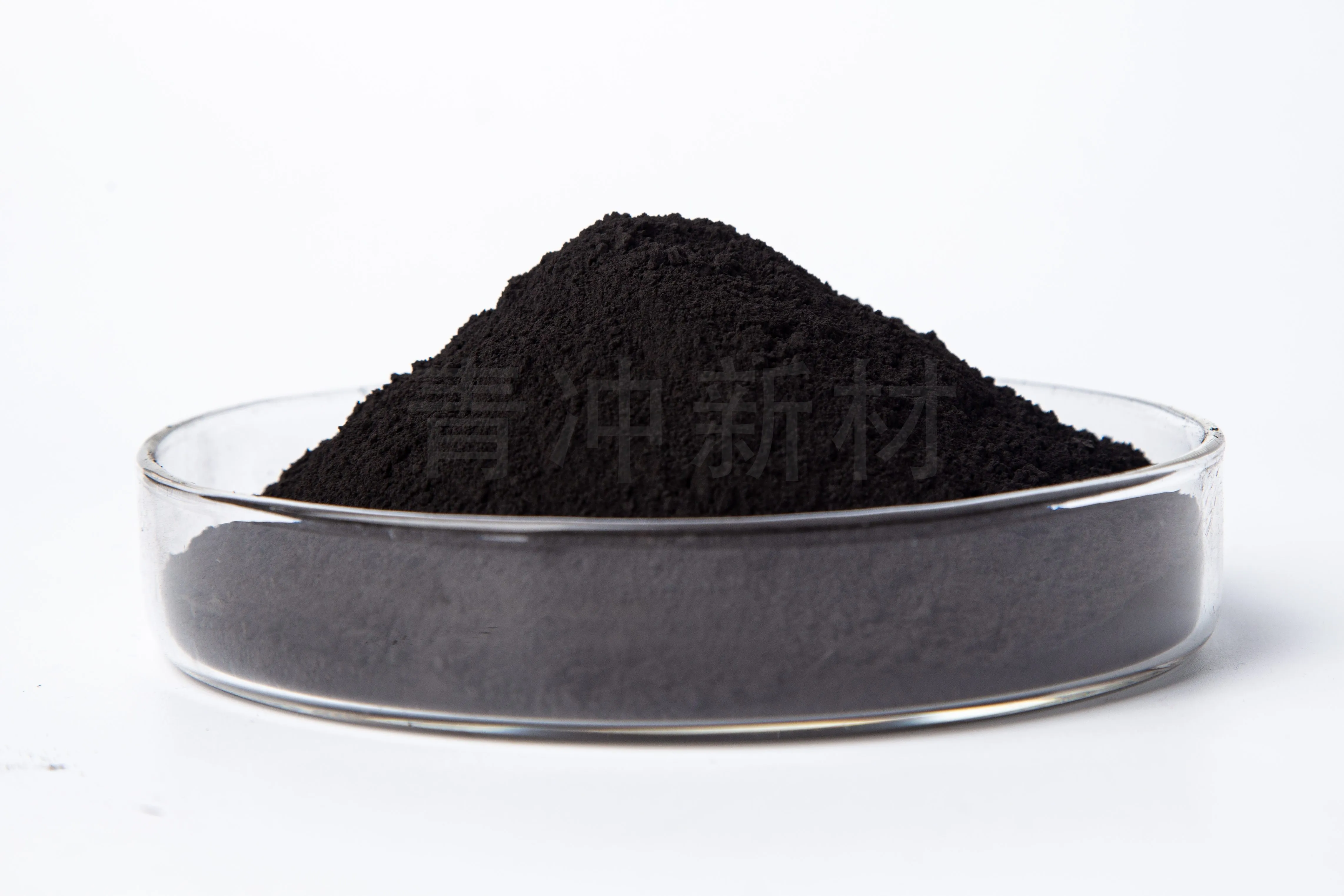
What Electrolytic Manganese Dioxide Tells You About the Material
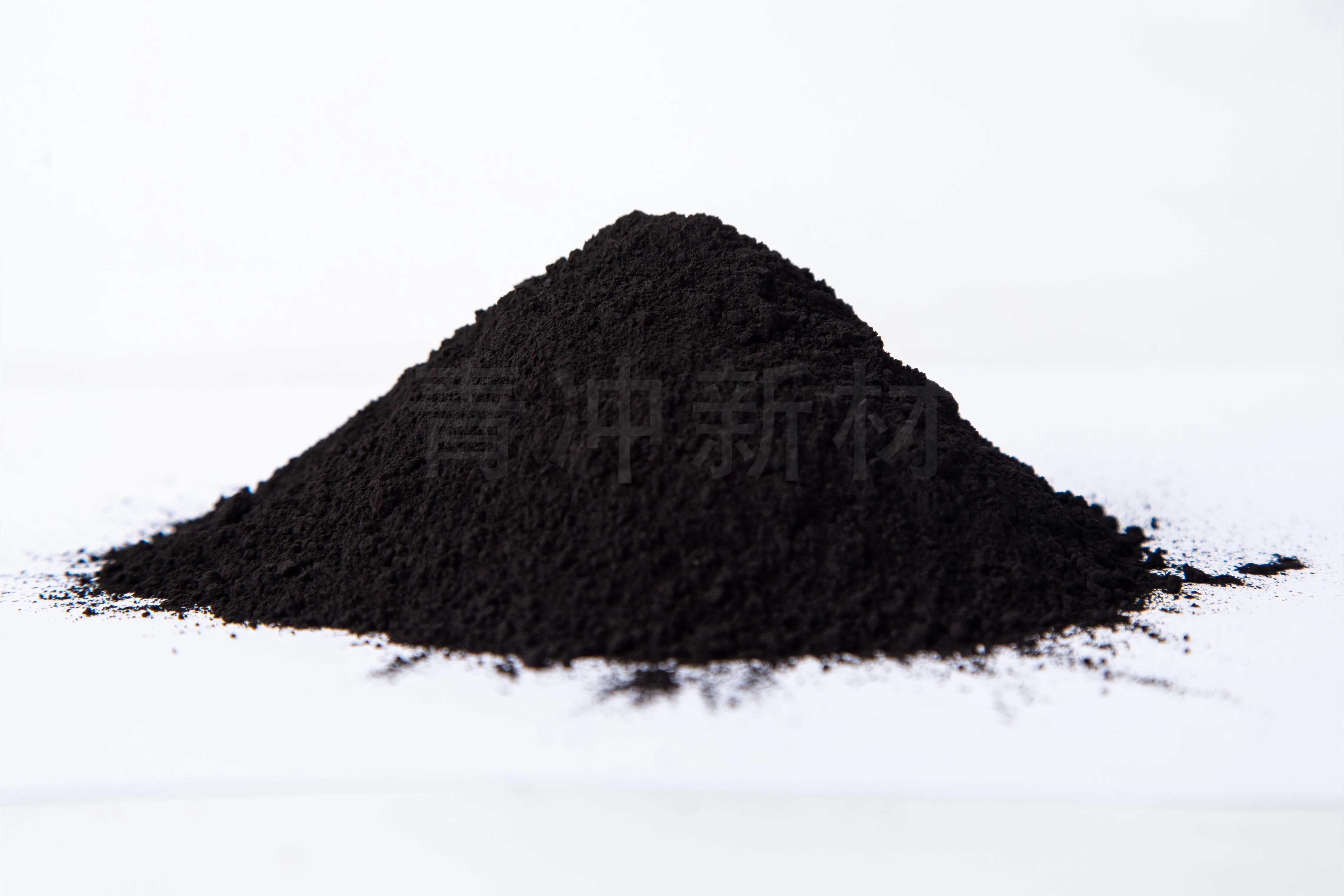
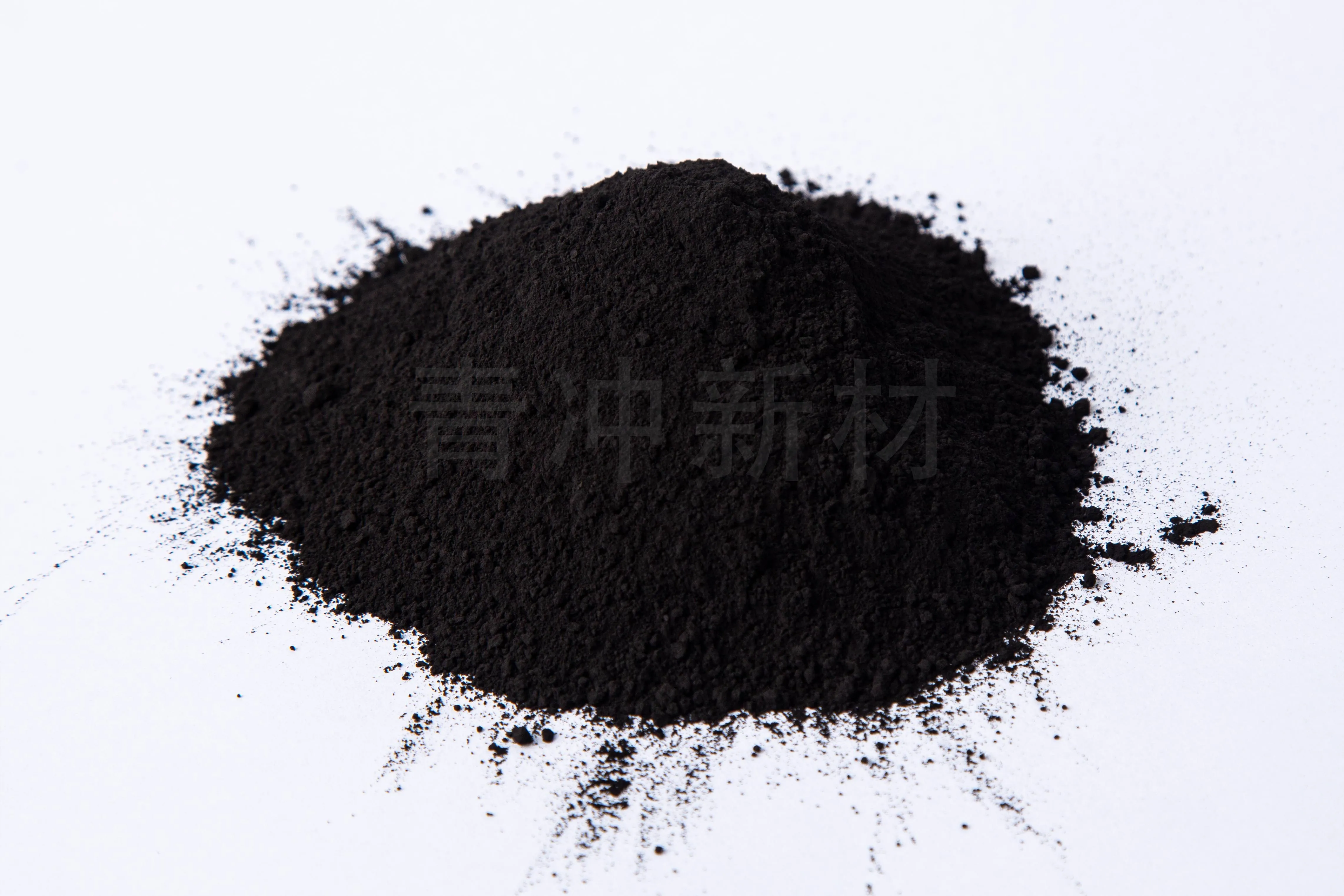
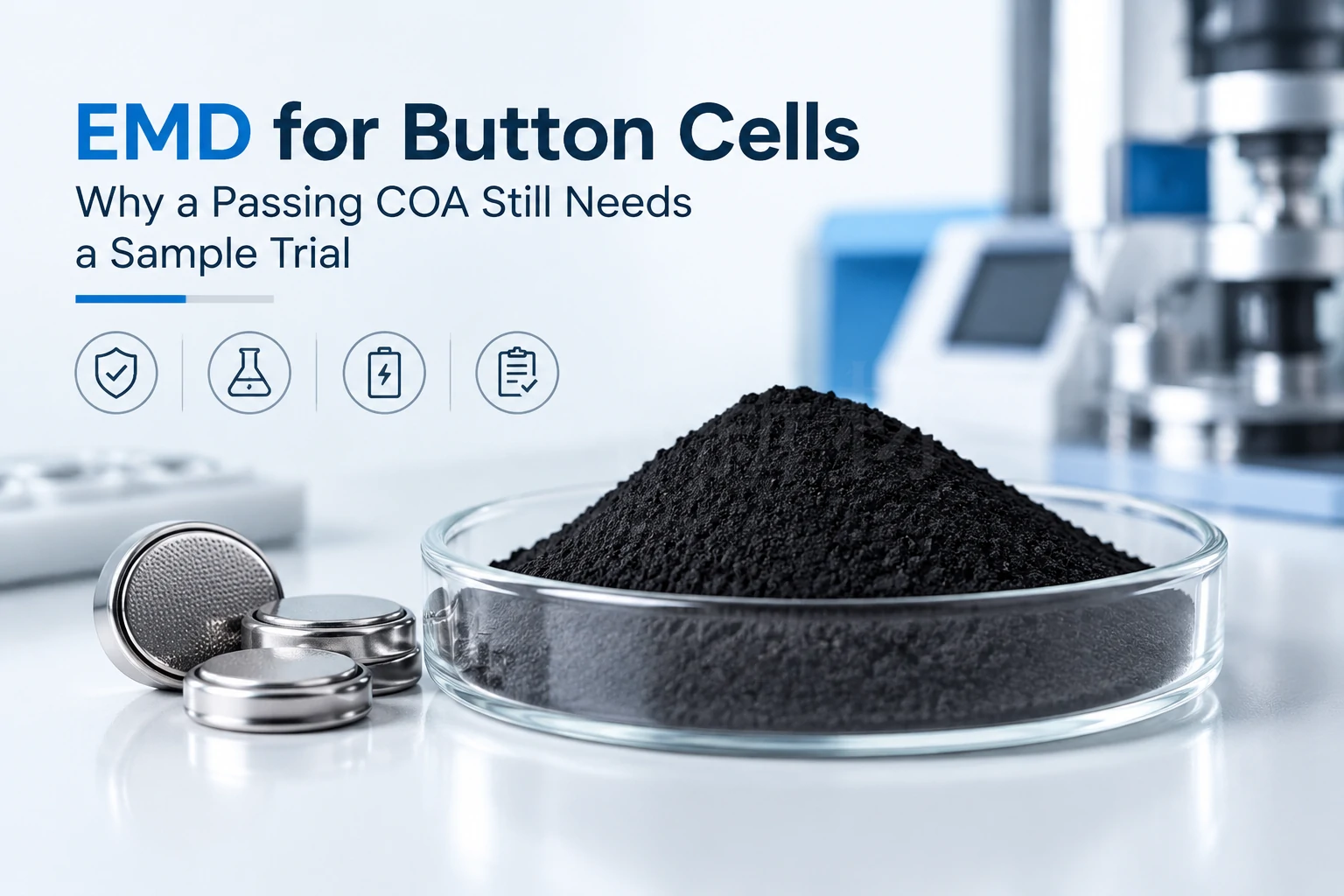
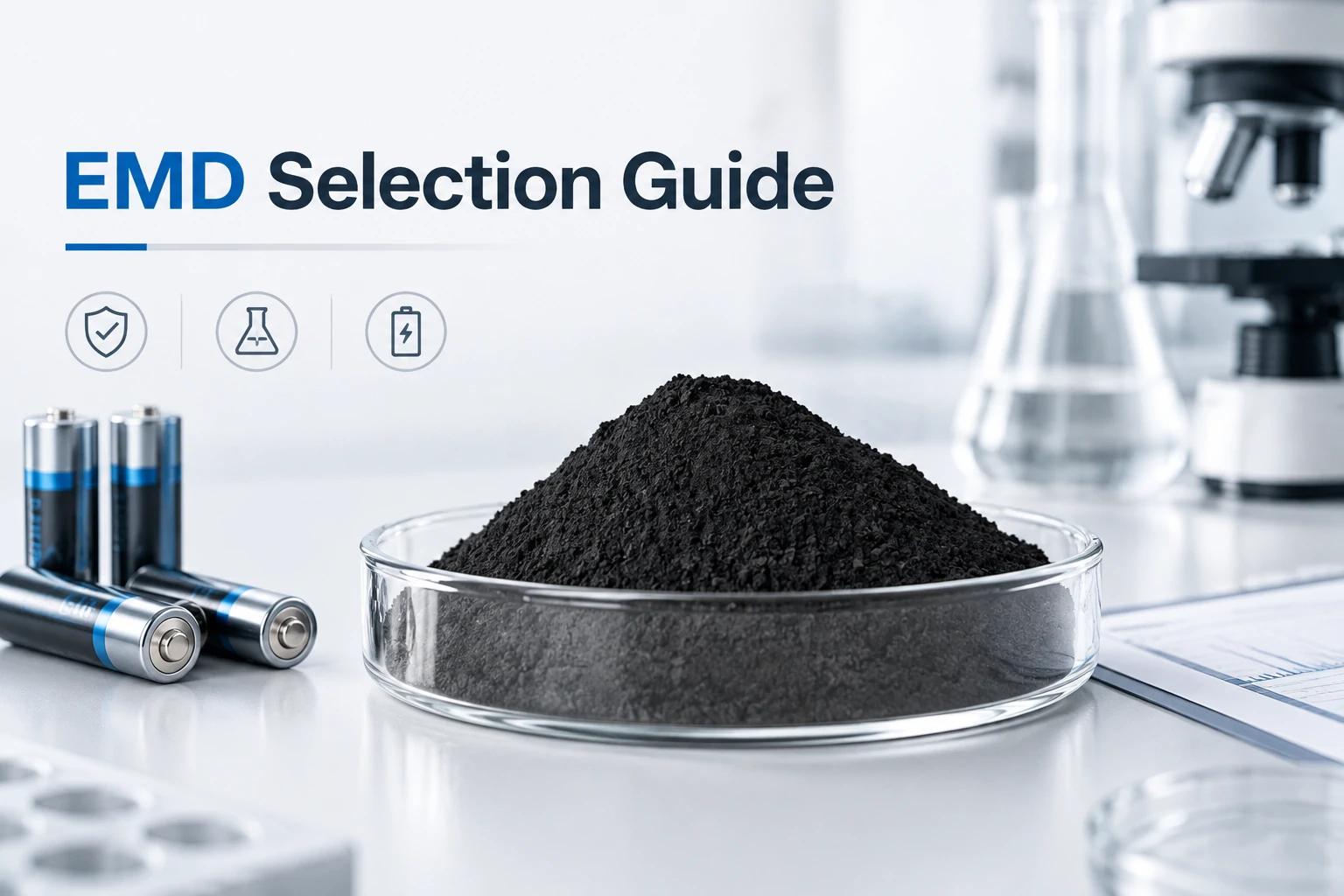
EMD refers to manganese dioxide formed through an electrolytic production route. That distinguishes the production method from manganese dioxide obtained by other routes, but the name alone does not specify a material’s impurity profile or its behavior in a finished battery. “High purity” narrows the discussion only after the buyer and supplier agree on what will be measured. For example, an analysis may report manganese dioxide content and selected impurities, while a battery development team may also need to investigate physical or electrochemical properties. Those are different questions and should not be folded into one purity figure. The distinction matters when reviewing a supplier document. A result expressed on a dry basis may not be directly comparable with one expressed as received; an individual impurity limit is different from a total-impurities figure. QingChong integrates R&D with production and sales, providing an appropriate channel for buyers to put such technical questions alongside a commercial inquiry. Because no EMD specification is included in the supplied information, request the exact grade document rather than assuming a particular composition, particle property or test basis.