 EN
EN
 CN
CN
 fr
fr es
es ar
ar ru
ru de
de pt
pt tr
tr vi
vi it
it ja
ja ko
ko hi
hi
How MnO2 Can Affect Glass Color
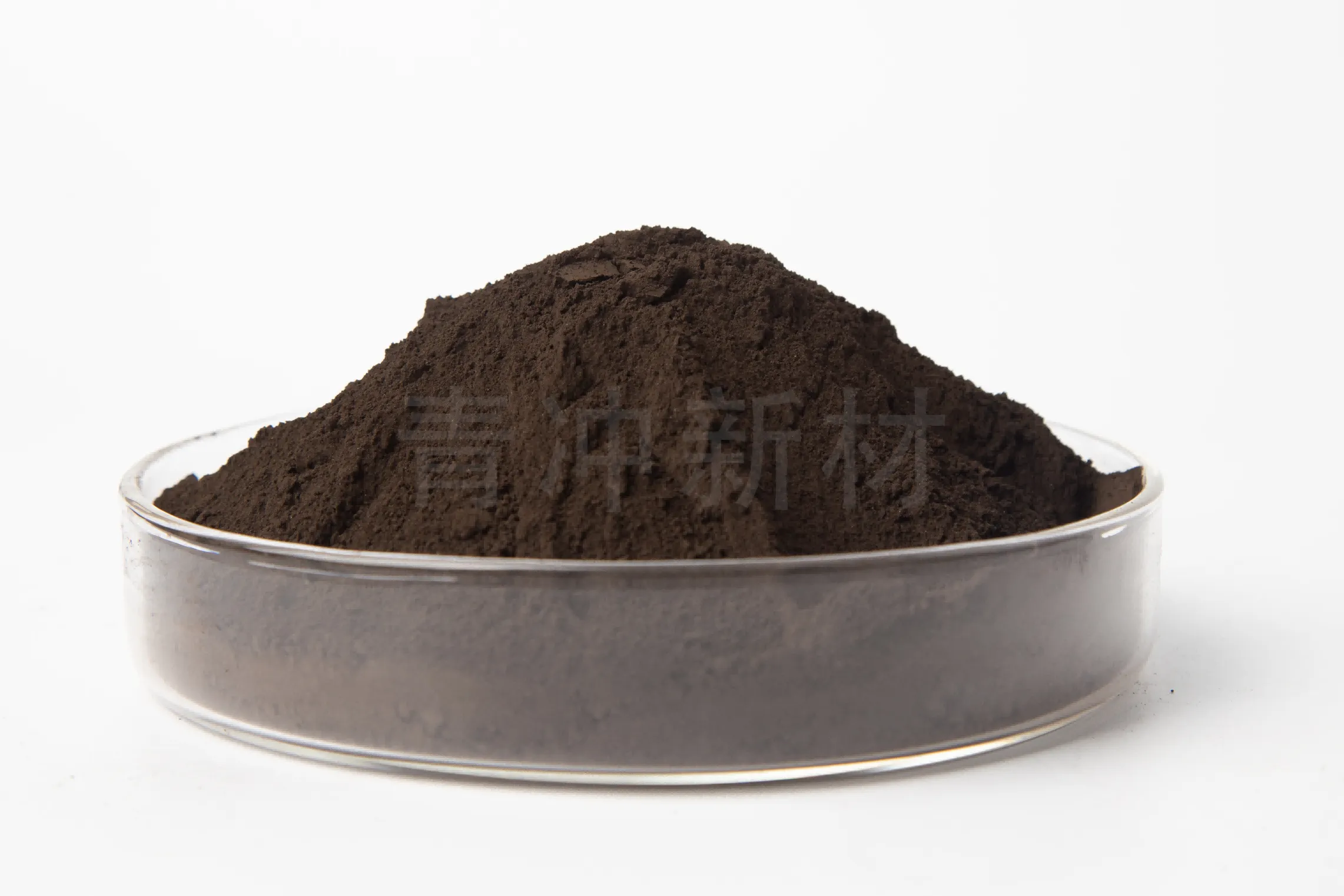
Manganese dioxide is a manganese oxide, but its effect in a glass melt cannot be predicted from the chemical name alone. Manganese can participate in oxidation and reduction reactions, and its color contribution depends in part on its oxidation state in the finished glass. The melt atmosphere, other batch ingredients, and the iron already present in raw materials can change the visual result. That is why references to MnO2 as a decolorizing or coloring input should be read as descriptions of possible uses, not promises that any particular addition will produce a particular shade. Physical form matters too. A powder that does not disperse consistently through the batch may make a laboratory result difficult to reproduce at production scale. The supplied information does not establish the composition or physical form of a QingChong glass grade. Buyers should therefore distinguish between the general chemistry of manganese dioxide and the properties of a material actually offered for testing. A supplier specification and a controlled melt trial are needed to connect those two pieces of information.