 EN
EN
 CN
CN
 fr
fr es
es ar
ar ru
ru de
de pt
pt tr
tr vi
vi it
it ja
ja ko
ko hi
hi
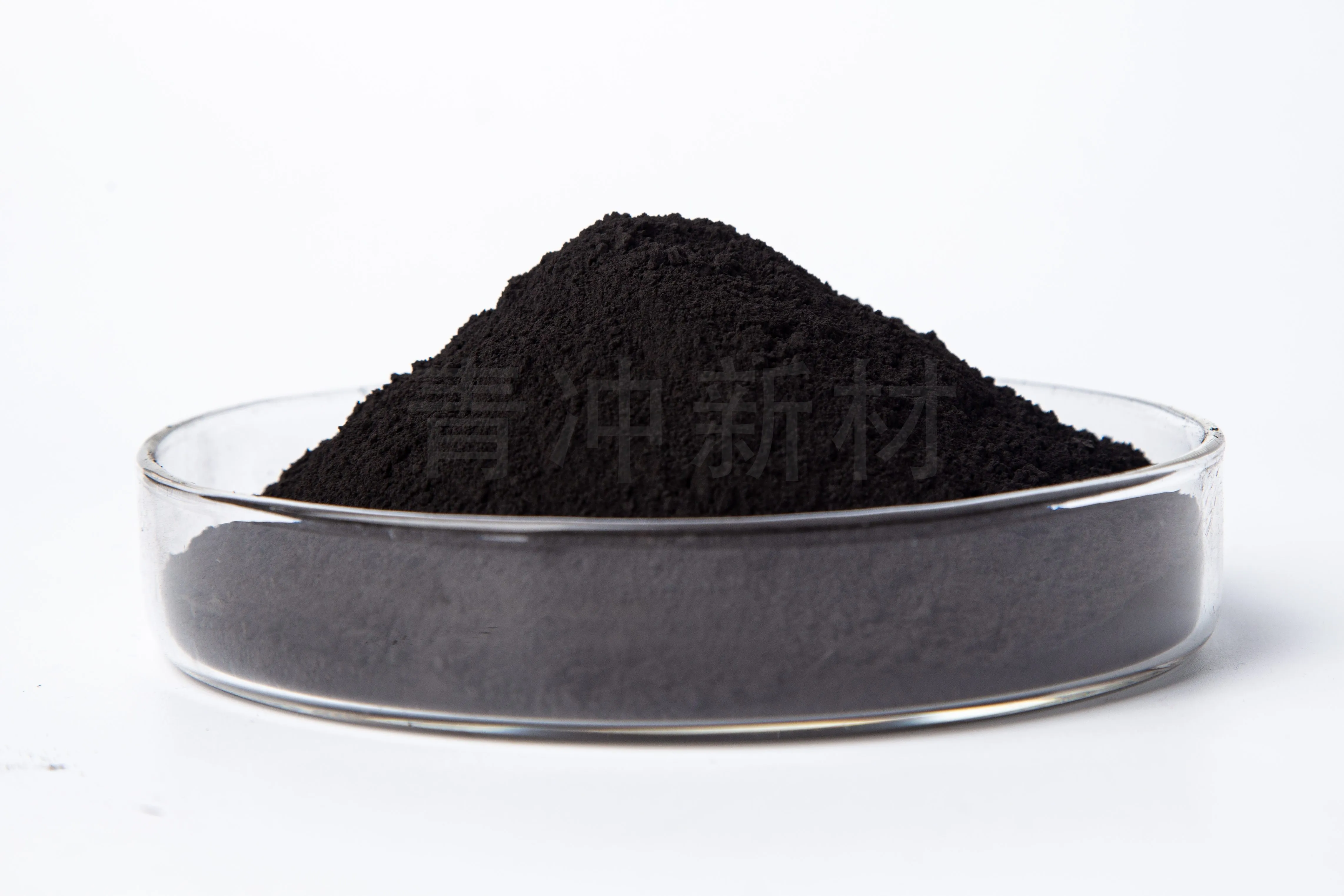
How electrochemical production defines EMD
The word electrolytic describes how manganese dioxide is produced, not a universal set of finished-product values. In an EMD process, manganese species in an electrolyte are oxidized at an anode, forming a manganese dioxide deposit. That deposit is then processed into a material that can be evaluated for its intended application. The explanation matters because a chemical name and a manufacturing route answer different questions. MnO2 identifies the compound; EMD identifies an electrochemical route associated with it. Neither term, by itself, tells a buyer the measured composition, particle characteristics or behavior of a specific supplied grade. For battery work, a datasheet and agreed test methods are therefore more informative than the name alone. QingChong New Materials operates in manganese chemicals and combines R&D, production and sales, but no EMD process sheet or grade-specific results were supplied here. Buyers should request documented values for any proposed material before attributing a particular property to it. This distinction also makes technical conversations clearer: discuss the production route when identifying the material, then use measured lot data when discussing whether a sample meets a defined requirement.