productlist

Batteries Manganese (II) Carbonate: Confirm Product Fit

batteries manganese (II) carbonate

Battery-material teams searching for batteries manganese (II) carbonate should first establish whether they need manganese(II) carbonate as a process input, a research material, or another manganese compound. The name alone does not confirm battery-grade suitability, purity, particle properties, or compatibility with a particular production route. QingChong New Materials is a Chinese manganese chemical manufacturer integrating R&D, production, and sales, with more than 20 years of industry experience. However, no product specification or availability information for manganese(II) carbonate has been provided here. Buyers should therefore treat this page as a starting point for technical verification, not as confirmation of a qualified battery material. Before requesting a quotation, identify the intended process and share the required composition, impurity limits, physical form, and applicable test methods. This allows both sides to check whether the requested material is available and appropriate for evaluation.

Technical Detail

Configured around process stability, mold life, and long-term uptime.

Manganese(II) carbonate, commonly written as MnCO3, is an inorganic manganese compound. The phrase “batteries manganese (II) carbonate” describes a sourcing or application search, but does not by itself establish that a particular grade is suitable for a battery process. No product datasheet, purity range, particle-size distribution, moisture limit, packaging details, or battery qualification data for this material have been supplied, so none should be assumed. QingChong New Materials operates as a manganese chemical manufacturer integrating research and development, production, and sales. The company is located in Xiangtan, a major manganese production area in China, and reports more than 20 years of industry experience. Its stated quality credentials include ISO 9001:2008 certification, passed in July 2010, and recognition as a National High-tech Enterprise in September 2019. For buyers assessing manganese(II) carbonate, the immediate task is to confirm whether QingChong offers this specific compound and whether its controlled properties match the intended process. Request a current specification and clarify analytical methods, batch documentation, and sample availability before technical approval. Battery manufacturers, precursor developers, and research teams should compare supplier data against their own process requirements rather than rely on the material name alone.

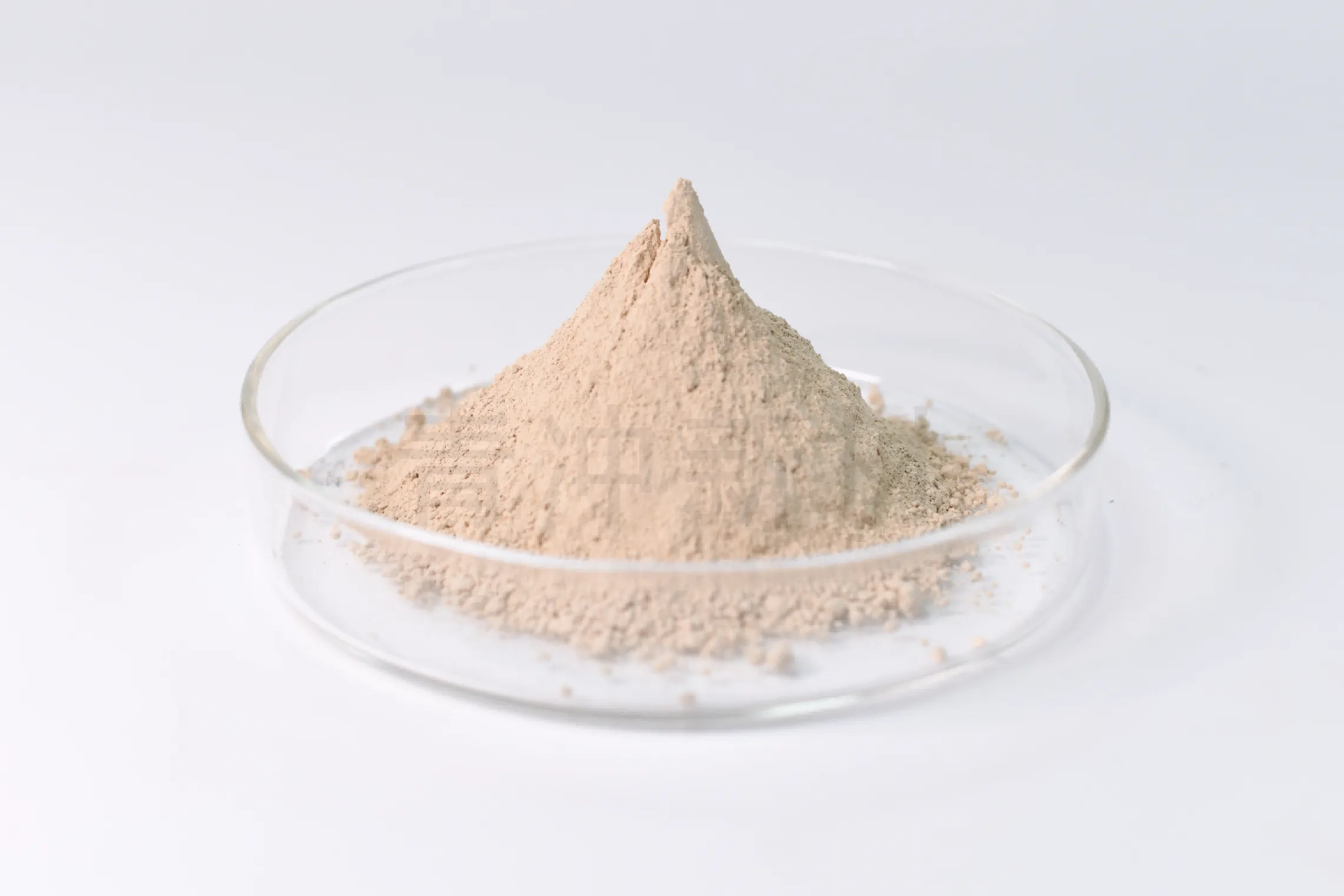
Manganese Carbonate (MnCO₃)

What the Compound Name Establishes—and What It Does Not

Manganese(II) carbonate is identified by the formula MnCO3: manganese is present in the +2 oxidation state and paired with carbonate. That chemical identity distinguishes it from other manganese compounds, but it is not a complete commercial specification. Two materials sold under the same compound name may still differ in purity, trace-element profile, particle characteristics, moisture, and handling form. Those differences can matter when a material enters a controlled battery-material process. The information provided for QingChong does not include a manganese(II) carbonate datasheet or describe a production route for this compound. Buyers should not infer a specific grade or manufacturing method from the company’s broader manganese-chemical profile. To understand what is actually being offered, request the product’s chemical formula, specification revision, test methods, and representative batch certificate. If an application depends on a particular physical form or impurity threshold, state that requirement explicitly. This separates the basic identity of MnCO3 from the measurable attributes that determine whether a supplied lot can be evaluated for a particular process.
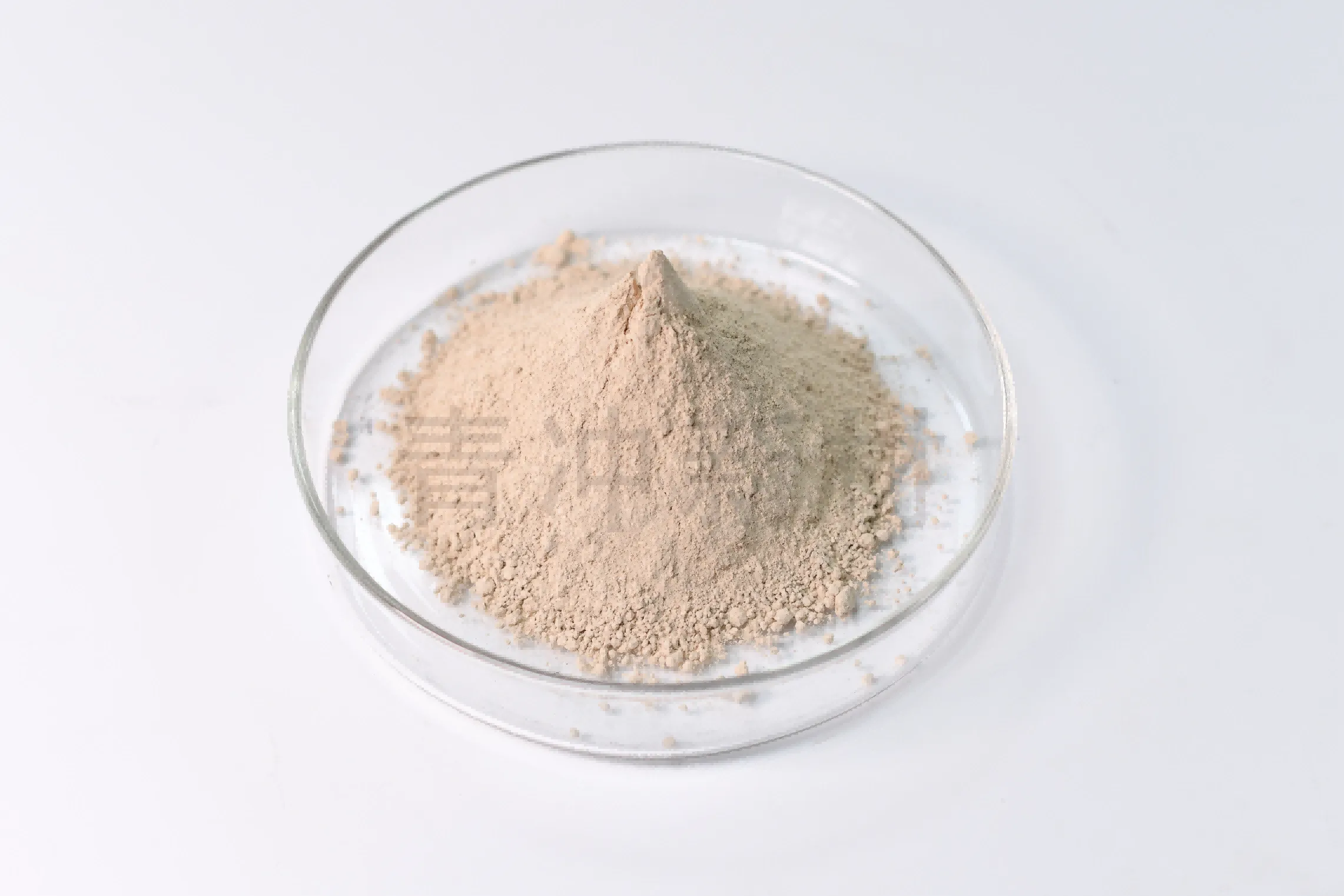
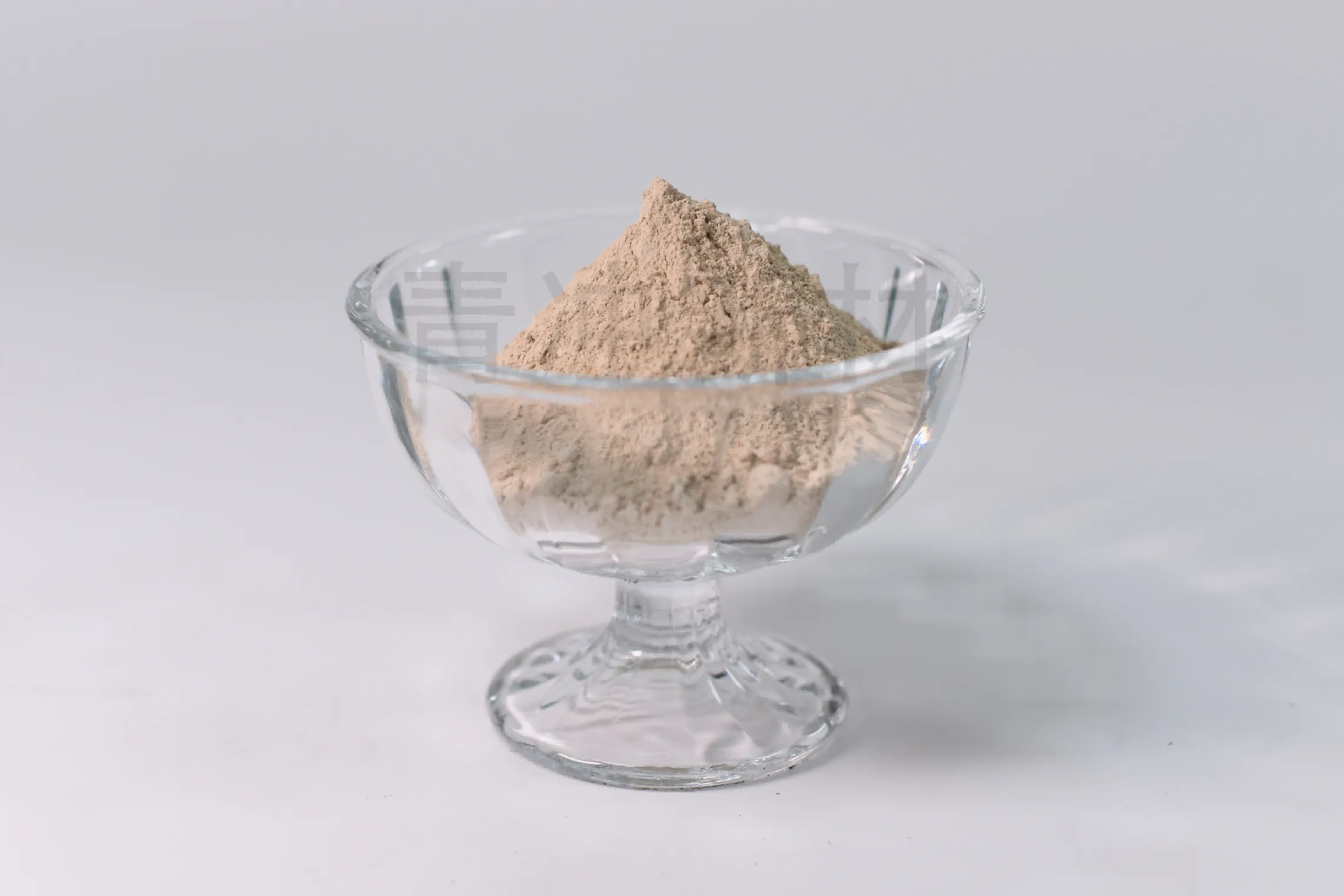
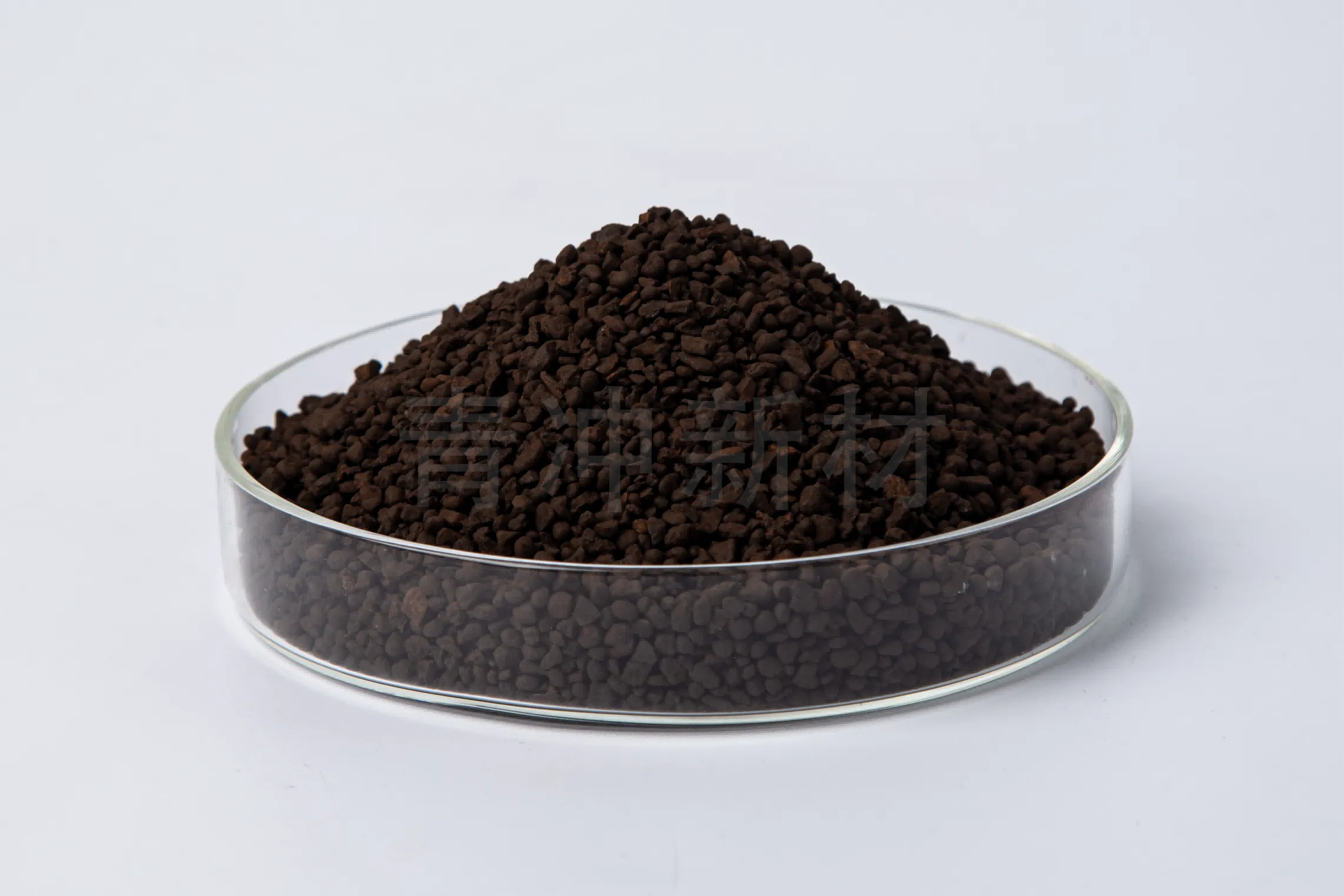
Manganese Carbonate (MnCO₃)

Check Process Conditions Before Calling It Battery-Suitable

Whether manganese(II) carbonate fits a battery-related process depends on the buyer’s route and acceptance criteria. A research group exploring manganese chemistry may assess a material differently from a manufacturer using a defined precursor process. The relevant questions can include which downstream transformation is intended, what impurities are tolerable, and whether the incoming material’s physical properties affect mixing, reaction, or handling. No application-specific performance data or operating limits have been provided for QingChong manganese(II) carbonate, so compatibility cannot be claimed in advance. A practical assessment begins with the buyer’s own process specification and a supplier document that reports corresponding test results. Pay particular attention to the measurement method behind each limit; values produced by different methods may not be directly comparable. If the intended use is outside battery manufacturing, such as laboratory evaluation or another manganese-chemical process, describe that use as well. The right decision is to proceed to a sample or qualification stage only after the requested compound, available grade, and evidence match the actual operating requirements.

Manganese Carbonate (MnCO₃)

Prepare a Useful Technical Inquiry

A focused inquiry helps QingChong determine whether it can address a request for batteries manganese (II) carbonate without guessing at the required grade. Include the intended application and downstream process, required chemical composition, impurity limits, physical form, and any particle-size or moisture criteria. Identify the test methods or standards your receiving team uses, and say whether a certificate of analysis, sample evaluation, or other batch documentation is needed. If you have a current supplier specification, sharing it can clarify which attributes are mandatory and which are preferences. Ask QingChong to confirm product availability, provide the current datasheet, and explain which parameters it can document for the offered material. The company reports integrated R&D, production, and sales operations, but no specific customization options, sample terms, minimum order, or lead time have been stated; confirm these directly rather than assuming them. Once the technical scope is clear, procurement teams can review commercial details against the qualified specification. This sequence keeps a product-name inquiry from being mistaken for completed technical approval.

News

Industry updates

Products

Production modules

Why Choose Us

Manganese Expertise Backed by Integrated Operations

QingChong New Materials presents itself as a high-tech Chinese manganese chemical manufacturer with integrated R&D, production, and sales. Its location in Xiangtan, an important Chinese manganese production base known as the “Manganese Capital of China,” gives the company a clear focus on manganese chemistry. The company reports more than 20 years of industry experience and a strict quality control system, supported by its stated ISO 9001:2008 certification, passed in July 2010. It was recognized as a National High-tech Enterprise in September 2019, is listed on the Hunan Equity Exchange Center under equity code 600362HN, and reports invention patents developed in cooperation with local universities. These details provide useful context when evaluating a potential supplier, but they do not verify the availability or battery suitability of manganese(II) carbonate specifically. Buyers should request compound-specific documents and assess them against their own requirements. QingChong also operates a multilingual website in 14 languages and reports global export capabilities, which may help international buyers begin technical and commercial communication. The company’s stated principles emphasize quality and integrity; a clear specification review is the practical way to test those principles in a product inquiry.

FAQ

Common technical questions

Is QingChong manganese(II) carbonate confirmed as battery grade?

No battery-grade specification or qualification data was provided. Ask QingChong to confirm availability and supply a current datasheet and relevant batch test results before treating it as suitable.

What should I send when asking about a manganese(II) carbonate sample?

Provide your intended process, required composition and impurity limits, physical-form requirements, and test methods. Also ask whether a sample and certificate of analysis are available; their terms have not been specified here.

Can I use MnCO3 in place of another manganese compound in my process?

Do not assume direct substitution. The compounds have different chemical identities and may behave differently in processing. Have your technical team review the reaction route and verify the candidate material against process requirements.

Which details should purchasing confirm before requesting a quote?

First confirm that the supplier offers the exact compound and grade you need. Then align the quotation request with the approved specification, packaging requirements, destination, and documentation needs. No price, MOQ, or delivery schedule is stated here.

Need a solution for your project?

Share your product type, target capacity, and application requirements. Our team can review the details and recommend a practical next step.

Contact Us
Whatsapp
WeChat

CONTACT US

Office Address:21/F,Zhonghan Fortune Building,Ji'an Road, Yuetang District,Xiangtan,Hunan,China

Factory Address: Heling Town, Yuhu District, Xiangtan City, Hunan Province, P.R.China

WhatsApp: 8613786275365

Fax: 86-731-52326088

E-mail: [email protected]