productlist

Trimanganese Tetraoxide (Mn3O4) for Industrial Buyers

Trimanganese tetraoxide

Trimanganese tetraoxide, commonly written as Mn3O4, is a manganese oxide of interest to buyers working with manganese-based ceramics, pigments, and other industrial materials. Its chemical identity is clear; its suitability for a production line is not something a name alone can establish. Purity, particle characteristics, impurity limits, and handling requirements can matter differently from one process to another. A buyer developing a ceramic formulation, for example, may need information that differs from what a buyer evaluating a material for further chemical processing would request. QingChong New Materials is a Chinese manganese chemical manufacturer integrating R&D, production, and sales. The company is based in the Xiangtan Manganese Mine area and has more than 20 years of industry experience. No product-grade specification for Trimanganese tetraoxide has been provided here, so this page does not imply that a particular grade, particle size, or application qualification is available. It explains the material and identifies the information worth confirming before a purchase decision.

Technical Detail

Configured around process stability, mold life, and long-term uptime.

A purchasing specification should distinguish Trimanganese tetraoxide from other manganese oxides before it addresses supplier capability. Mn3O4 has a different composition from manganese dioxide (MnO2) and manganese(II) oxide (MnO). Those formulas are not interchangeable labels: substituting one for another may change the manganese and oxygen balance of a formulation. For a buyer reviewing a bill of materials, the first check is therefore the intended chemical identity, followed by the grade-specific measurements required by the process. QingChong New Materials focuses on manganese chemicals and combines R&D, production, and sales operations. Its location in the Xiangtan Manganese Mine area, more than 20 years of industry experience, and stated quality-control system provide relevant company context. They do not, by themselves, establish a specification for this material. In particular, no assay, impurity profile, particle-size distribution, packaging format, or batch test result for Trimanganese tetraoxide was supplied for this page. Buyers should request those records and compare them with their own acceptance limits before treating any offered material as equivalent to an existing input. This distinction matters in B2B procurement: a supplier's experience can support a technical discussion, but repeatable results depend on the grade actually quoted and the measurements used to release each batch.

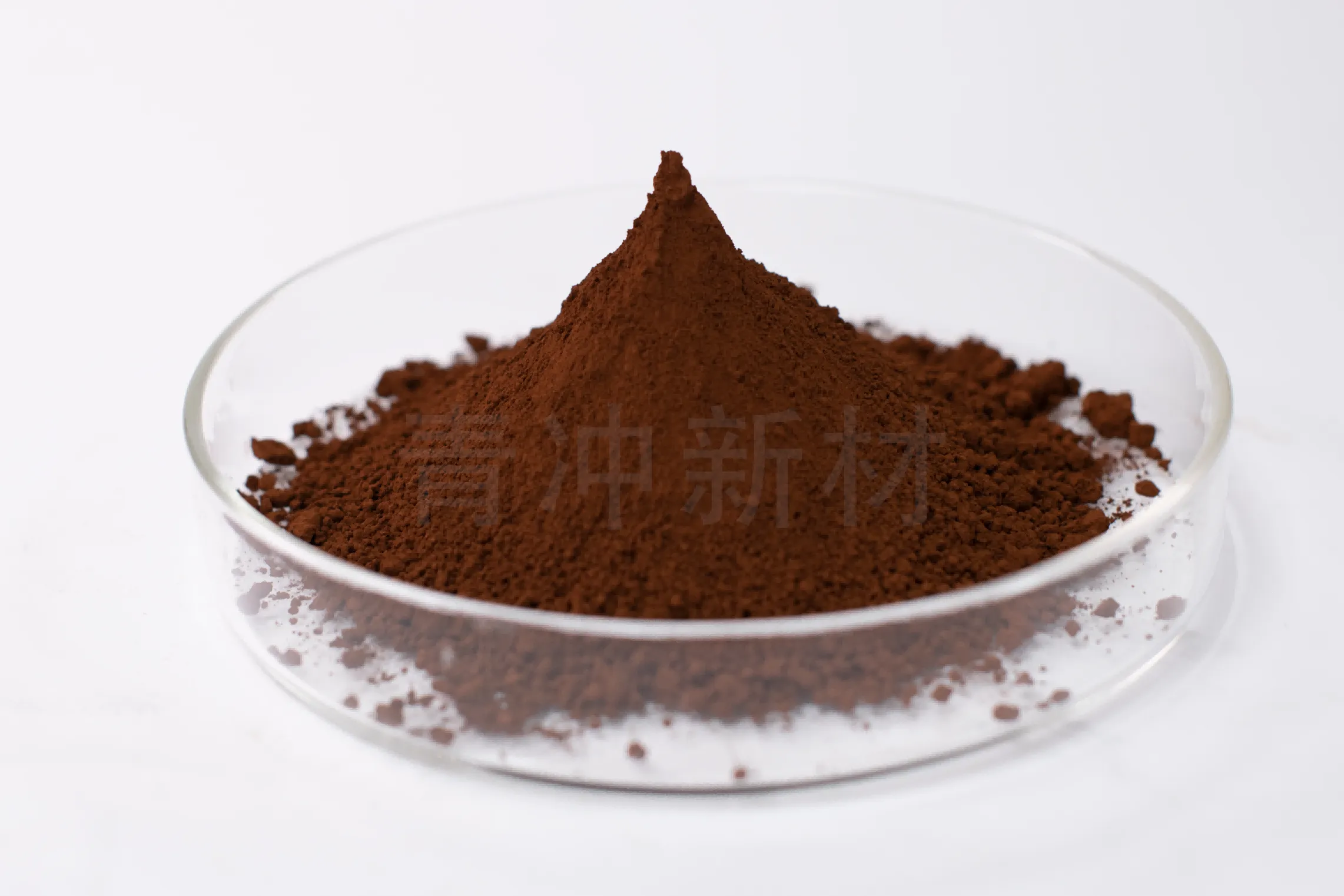
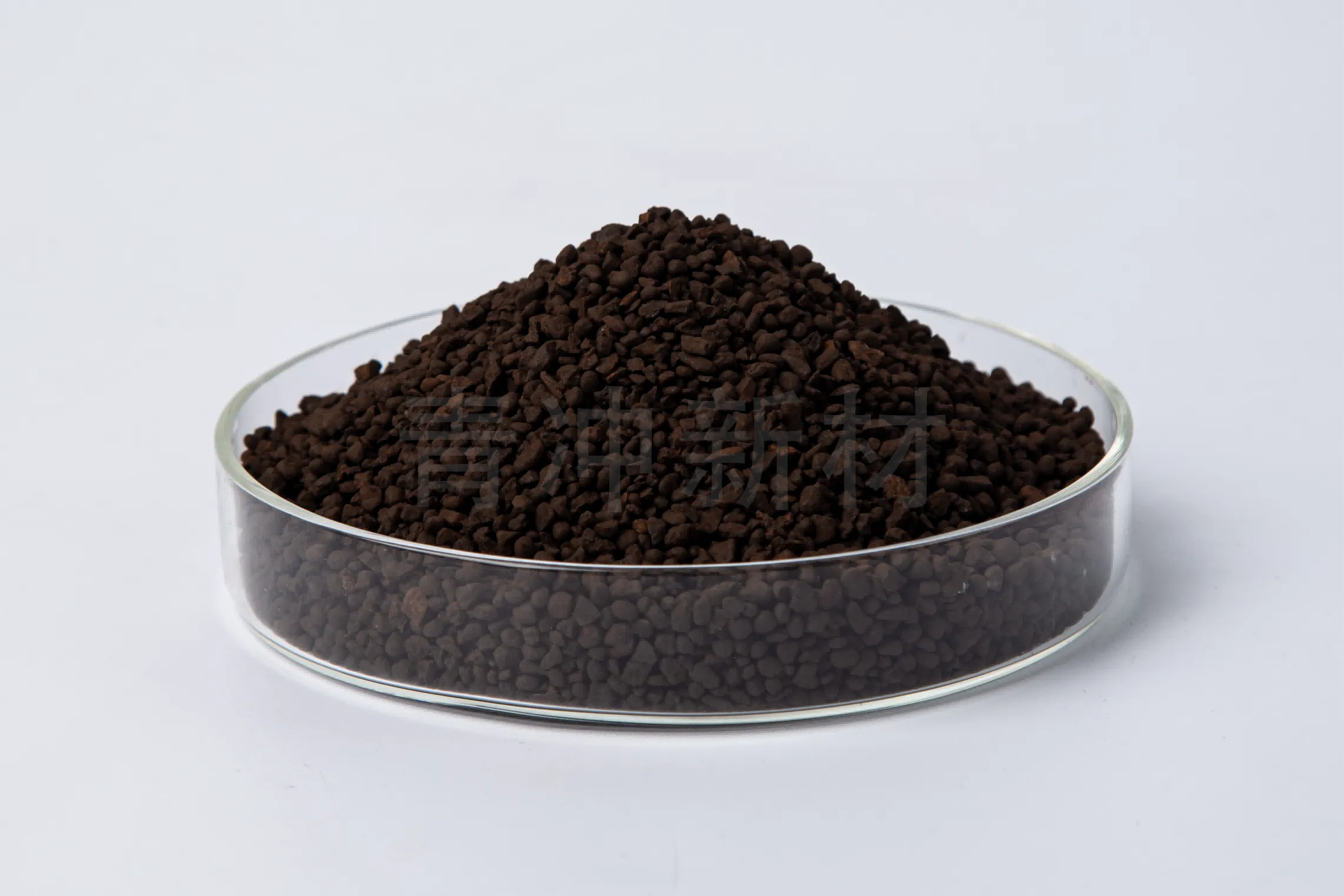
Manganese Tetroxide (Mn₃O₄)

What the Mn3O4 Formula Tells a Buyer

Trimanganese tetraoxide contains three manganese atoms and four oxygen atoms per formula unit. It is commonly described as a mixed-valence manganese oxide with a spinel structure. That description helps explain why a buyer cannot infer its behavior from the word manganese alone: oxidation state and crystal structure are part of the material's identity. It also explains why a request for manganese oxide should be made more precise before samples or documents are compared. The formula does not specify particle size, surface area, moisture, or concentrations of other elements. Those properties depend on the grade and how it is made and tested. Two materials identified as Mn3O4 may therefore meet the same basic chemical description while behaving differently during mixing, heating, or subsequent processing. QingChong New Materials works in manganese chemicals, but no grade-specific technical data for its Trimanganese tetraoxide was provided here. Treat the formula as the starting point for a technical discussion, not as a substitute for a product specification or a batch certificate.
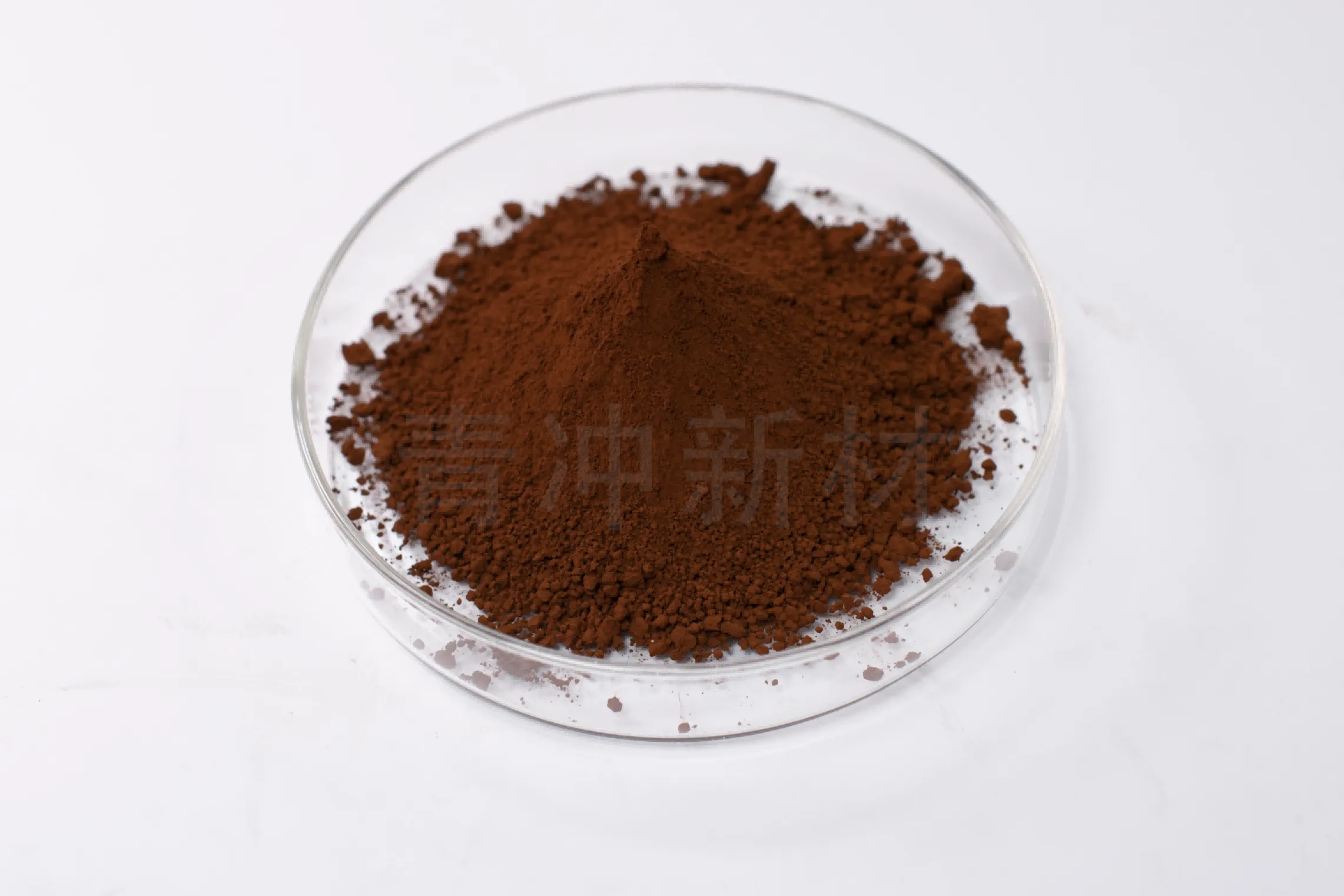
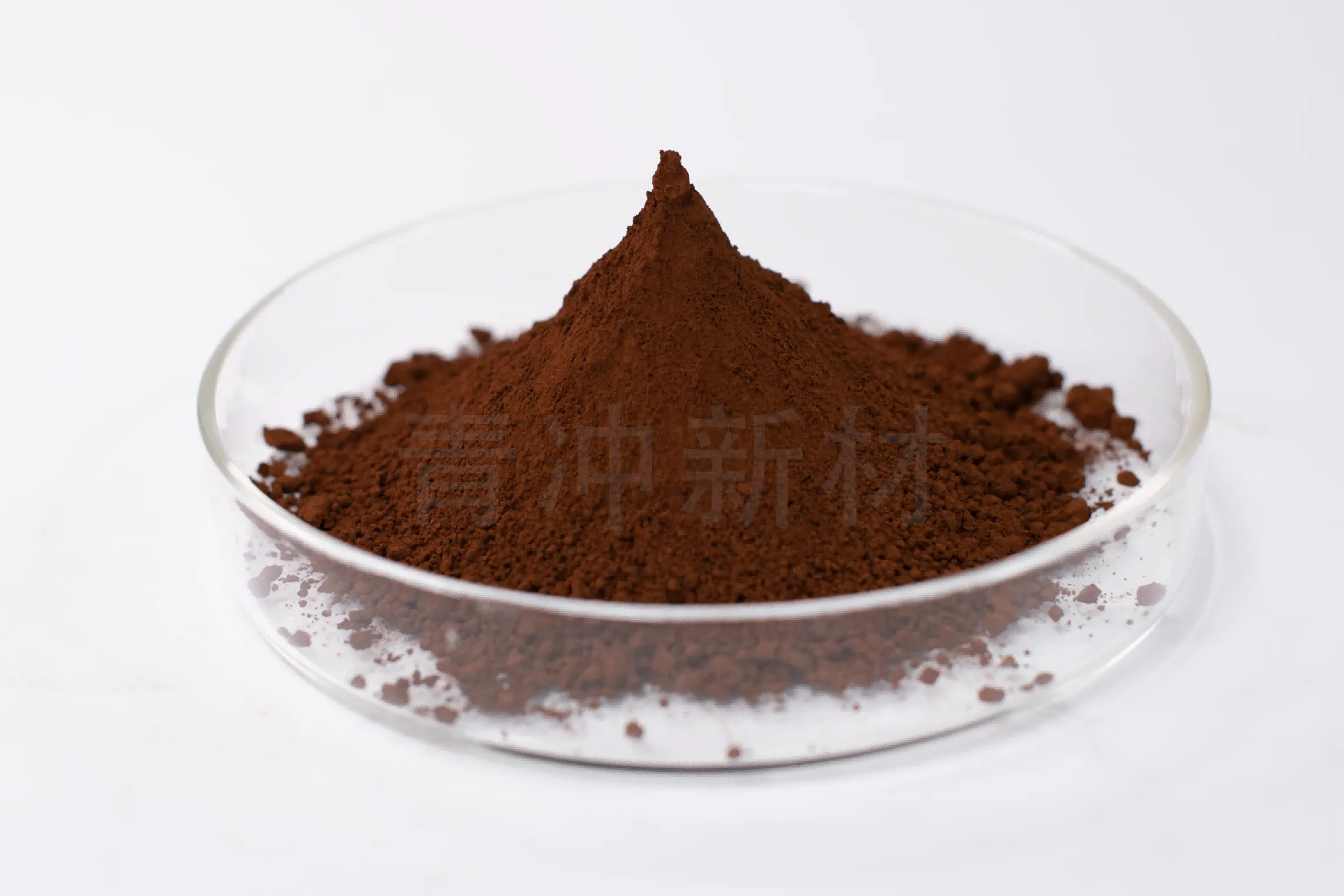
Manganese Tetroxide (Mn₃O₄)

Where Process Conditions Change the Fit

Ceramic processing and pigment-related work are among the contexts in which manganese oxides may be evaluated. Further chemical processing may impose a different set of requirements. In a process involving heat treatment, the buyer should examine how the material behaves under the actual temperature and atmosphere used; a chemical formula alone cannot predict the result in a particular furnace. In a wet process, dispersibility and the effect of impurities on downstream chemistry may deserve closer attention. The practical test is to identify which material properties could change the finished product, then set acceptance limits around those properties. For instance, particle characteristics may affect how consistently a powder blends, while an impurity that is tolerable in one use may be unacceptable in another. No application approval or performance result for QingChong New Materials' Trimanganese tetraoxide was supplied. Buyers should assess any proposed grade against their own process conditions and, where necessary, trial it before production use. That approach separates a plausible application from a verified fit.

Manganese Tetroxide (Mn₃O₄)

What to Include in a Grade Inquiry

Start an inquiry with the exact material name and formula, Trimanganese tetraoxide (Mn3O4), plus the intended use. State the measurements your process controls: required assay or purity, relevant impurity limits, particle-size requirements, and any moisture or handling criteria that affect your line. If the material will replace an existing input, share the current specification and identify which limits are mandatory rather than preferences. Ask QingChong New Materials for the specification of the grade being proposed, its test methods, and a representative or batch-specific analysis where available. Confirm packaging and documentation requirements for the destination market as part of the same discussion. For a trial, describe the processing conditions and how your team will judge the result; this gives the supplier a concrete basis for discussing suitability. The information provided for this page does not establish available grades, minimum order quantities, prices, or delivery times. Those points need direct confirmation against a specific inquiry. A written comparison between your required limits and the quoted grade is the most useful next step.

News

Industry updates

Products

Production modules

Why Choose Us

A Manganese-Focused Starting Point for Mn3O4 Sourcing

QingChong New Materials brings more than 20 years of manganese-industry experience to discussions with buyers of Trimanganese tetraoxide. Its operations integrate R&D, production, and sales, which is relevant when a technical requirement needs to be carried through a commercial inquiry. The company is located in the Xiangtan Manganese Mine area, a major Chinese manganese production base, and states that it operates a strict quality-control system. Those are reasons to examine its documentation; they are not substitutes for checking the proposed grade against an application specification. QingChong passed ISO9001:2008 Quality Management System certification in July 2010 and was certified as a National High-tech Enterprise in September 2019. These company credentials should not be read as product-specific certification or proof of current certification status without verification. The company also reports export capabilities and offers a website in 14 languages, which may help international buyers begin a technical exchange. Before placing an order, request current company documents where relevant, along with the proposed material's specification and test results. That keeps the evaluation grounded in evidence for the exact product being purchased.

FAQ

Common technical questions

Is Trimanganese tetraoxide the same material as manganese dioxide?

No. Trimanganese tetraoxide is Mn3O4; manganese dioxide is MnO2. Check the formula on the specification before comparing grades or using one in place of the other.

Can I use Mn3O4 in an existing ceramic formulation?

It may be worth evaluating, but suitability depends on your formulation and firing conditions. Compare the proposed grade with your current input and test it under your actual process conditions before changing production material.

What should operators check when a new batch arrives?

Match the package identification to the purchase order and accompanying batch documents. Check the reported results against your acceptance limits, and follow the safety and handling information supplied for that material.

Should I specify purity or particle size first?

Specify both if both affect your process. Purity describes chemical content, while particle size can affect powder handling and mixing. Rank the limits according to what your own process validation shows to be necessary.

Need a solution for your project?

Share your product type, target capacity, and application requirements. Our team can review the details and recommend a practical next step.

Contact Us
Whatsapp
WeChat

CONTACT US

Office Address:21/F,Zhonghan Fortune Building,Ji'an Road, Yuetang District,Xiangtan,Hunan,China

Factory Address: Heling Town, Yuhu District, Xiangtan City, Hunan Province, P.R.China

WhatsApp: 8613786275365

Fax: 86-731-52326088

E-mail: [email protected]