productlist

EMD Production Process for Industrial Manganese Dioxide

EMD production process

The EMD production process converts manganese-containing raw materials into electrolytic manganese dioxide through controlled chemical preparation and electrochemical deposition. For buyers, understanding this route helps clarify how feedstock, solution purity, electrode conditions, washing, drying, and final testing can influence the suitability of EMD for downstream applications. QingChong New Materials is a high-tech Chinese manganese chemical manufacturer integrating R&D, production, and sales. Based in Xiangtan Manganese Mine, one of China’s important manganese production bases, the company serves global customers seeking dependable manganese dioxide and compound supply. This page provides a practical starting point for purchasing teams, battery-material evaluators, and industrial users researching the EMD production process. Because product specifications and process details may vary by required application, buyers should confirm the target grade, technical data, test methods, packaging, and regulatory documentation before requesting a formal quotation.

Technical Detail

Configured around process stability, mold life, and long-term uptime.

EMD, or electrolytic manganese dioxide, is produced by placing manganese-bearing material through a sequence that generally includes raw-material preparation, leaching or solution preparation, purification, electrolysis, harvesting of deposited manganese dioxide, washing, drying, sizing, and packaging. The exact chemistry, operating conditions, and finishing controls depend on the manufacturer’s process design and the required end use. In the EMD production process, solution purity and electrochemical control are especially important because unwanted impurities or unstable deposition conditions may affect the final material’s consistency. QingChong New Materials combines R&D, production, and sales within one manganese chemical operation, supporting communication between technical and commercial teams. Its location in Xiangtan Manganese Mine gives the company a base in the “Manganese Capital of China,” while more than 20 years of industry experience supports its focus on manganese dioxide and related compounds. The company operates under a strict quality control system and holds ISO9001:2008 Quality Management System Certification, passed in July 2010. Buyers should still request current product specifications, certificate formats, analytical methods, and application-specific samples before approving an EMD source.

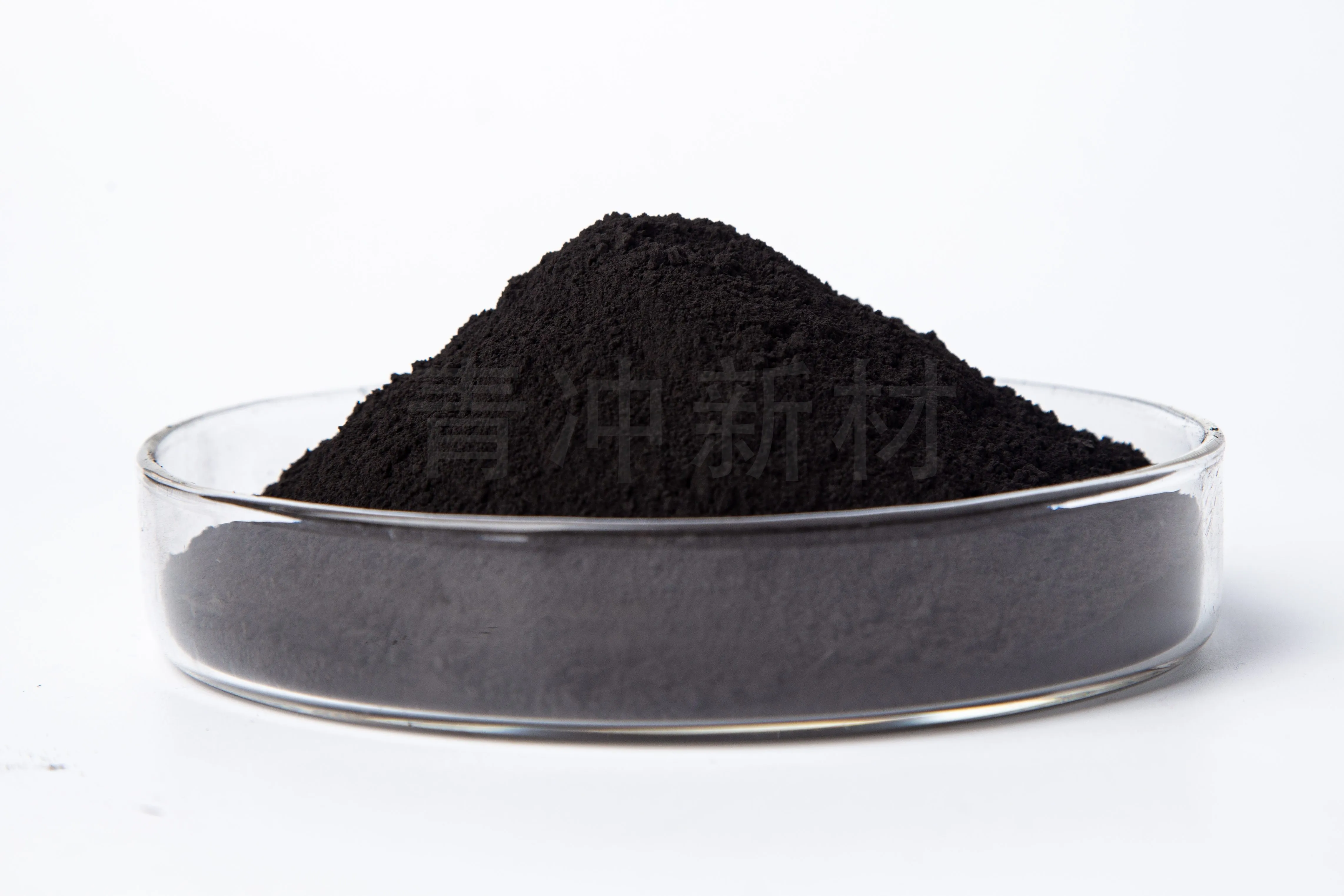
Electrolytic Manganese Dioxide (EMD)

How Electrolytic Manganese Dioxide Is Formed

The EMD production process is different from simply blending or mechanically processing manganese dioxide powder. In a typical electrolytic route, manganese is first converted into a suitable process solution. The solution is then purified before entering an electrolysis stage, where manganese dioxide deposits on an electrode under controlled electrical and chemical conditions. After deposition, the solid material is removed, washed to reduce residual soluble matter, dried, and processed into a form suitable for storage or downstream use. Each stage affects the material presented to the buyer. Purification influences impurity control, electrolysis influences deposit formation, and post-treatment influences moisture, particle handling, and consistency. QingChong’s public company information confirms its focus on manganese dioxide and compound manufacturing, R&D, and production, but it does not publish a complete proprietary process recipe. For that reason, buyers should request the relevant technical data sheet and test method rather than assume that all EMD products made by different suppliers have identical process characteristics.
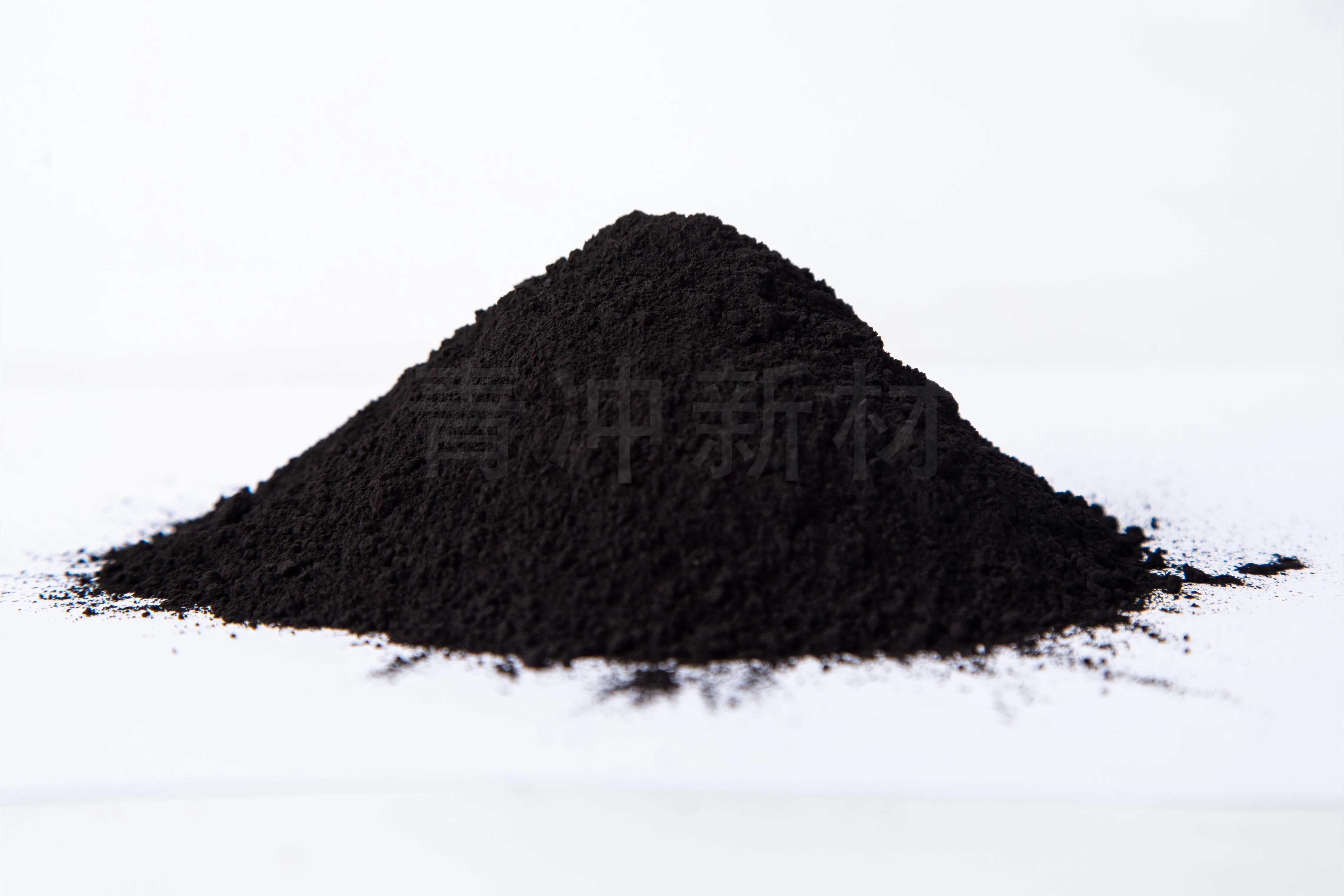
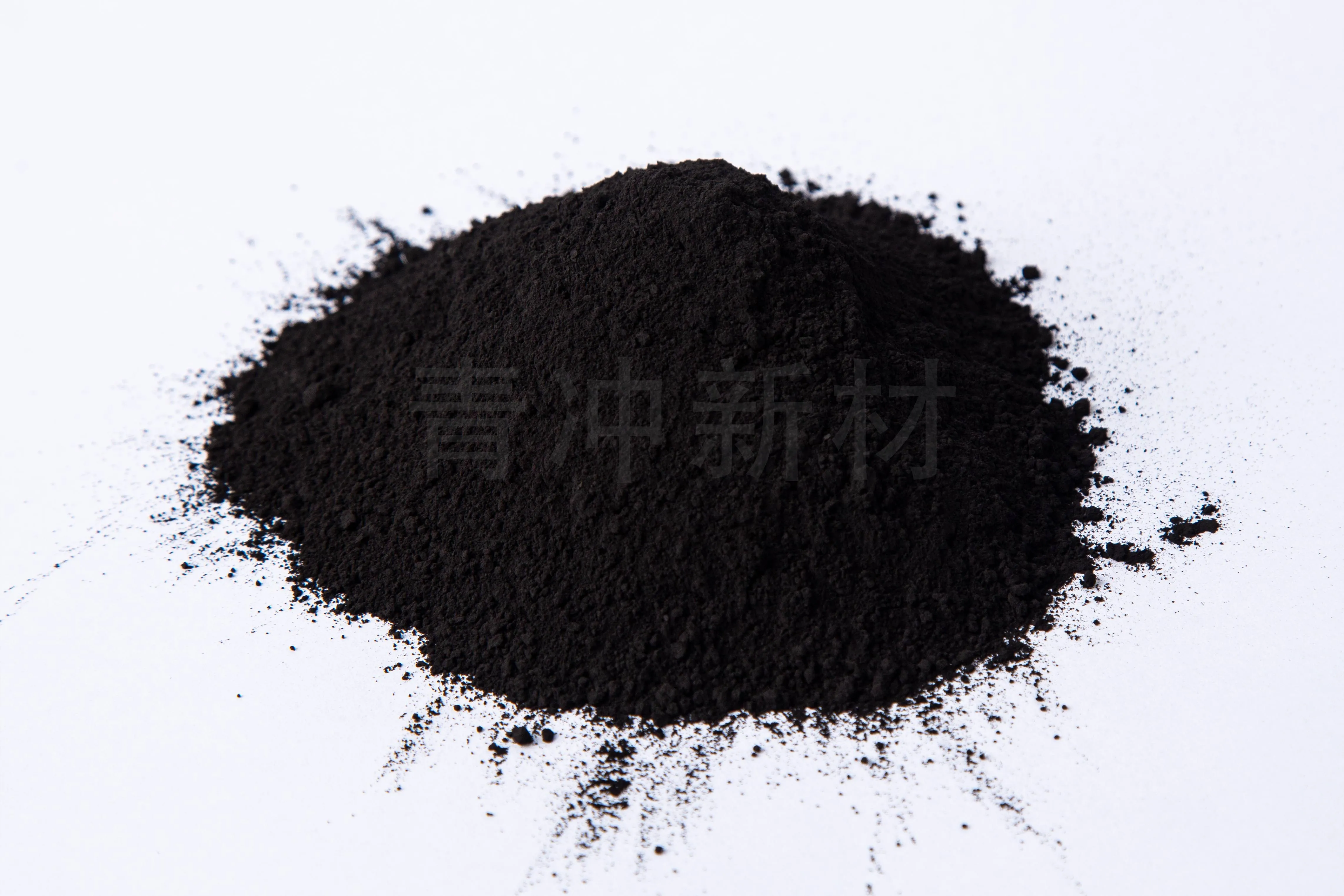
Electrolytic Manganese Dioxide (EMD)

Where EMD May Fit—and What to Check First

EMD is commonly evaluated for manganese dioxide applications where an electrolytically produced material is preferred, including certain battery-related and industrial uses. Suitability depends on more than the name “EMD.” The buyer should match the material to the actual operating environment, required electrochemical behavior, impurity limits, moisture expectations, particle characteristics, and downstream processing route. A product intended for one application may not be suitable for another without confirming grade-specific data. Pay particular attention when the process involves sensitive electrode chemistry, controlled slurry preparation, or strict limits on trace elements. QingChong is positioned as a manganese chemical manufacturer serving global markets, yet the available company information does not specify a universal EMD grade, performance range, or application guarantee. A sound evaluation should therefore compare the supplier’s current specification with the buyer’s internal acceptance criteria, then use a sample or qualification lot where appropriate. This reduces the risk of selecting material based only on a general product description.

Electrolytic Manganese Dioxide (EMD)

Prepare the Right Information Before Requesting EMD

A useful EMD inquiry should give the manufacturer enough context to recommend or confirm a suitable product. Start with the intended application and destination market, then state the required chemical limits, physical form, moisture range, particle-size expectations, packaging format, and testing or documentation requirements. If the material will enter a battery or compound production line, describe the relevant process step and any known compatibility restrictions. Buyers should also ask whether the quoted material is a standard grade or requires application-specific development, and which analytical methods are used for quality release. QingChong New Materials integrates R&D, production, and sales, so technical questions can be directed within one organization rather than handled only through a trading channel. For a quotation, confirm the product name, available specification sheet, sample policy, packaging, export documents, and quality-control records. Do not assume price, minimum order quantity, lead time, or customization availability; request these details directly for the required destination and specification.

News

Industry updates

Products

Production modules

Why Choose Us

A Manganese Specialist with Integrated Technical and Export Support

QingChong New Materials focuses on manganese dioxide and compound manufacturing rather than presenting itself as a general chemical supplier. Its operations integrate R&D, production, and sales, which can make it easier to connect product questions with manufacturing and quality-control discussions. The company has more than 20 years of industry experience and is located in Xiangtan Manganese Mine, a major Chinese manganese production base known as the “Manganese Capital of China.” This location gives the brand a clear connection to the manganese sector. Quality management is another part of its stated positioning: QingChong passed ISO9001:2008 Quality Management System Certification in July 2010 and emphasizes quality as the foundation of enterprise survival. It was also recognized as a National High-tech Enterprise in September 2019 and has obtained multiple invention patents in cooperation with local universities. For overseas buyers, a multilingual website covering 14 languages and established export orientation can simplify initial communication. Final suitability, documentation, and commercial terms should still be confirmed against the buyer’s project requirements.

FAQ

Common technical questions

How is EMD different from chemically produced manganese dioxide?

EMD is made through an electrolytic deposition route, while chemically produced manganese dioxide follows a different reaction pathway. Their chemistry, morphology, impurity profile, and application performance may differ, so the correct comparison should use grade-specific technical data rather than the product name alone.

Can EMD be used for every battery-related application?

No universal suitability should be assumed. Battery chemistry, electrode formulation, impurity limits, particle requirements, and process conditions can vary. Ask the supplier for application-relevant data and evaluate a sample against your own qualification criteria.

What documents should be requested when evaluating an EMD supplier?

Request the current technical data sheet, certificate or test report format, applicable analytical methods, safety and export documentation, packaging details, and any available sample information. If a specific standard or customer format applies, provide it before quotation.

Which EMD specifications should be compared between suppliers?

Compare the chemical composition and impurity limits, moisture, physical characteristics, test methods, packaging, and consistency of quality documentation. If electrochemical performance matters, request data generated under a clearly defined and comparable test method.

What should be included in an EMD quotation request?

Include the intended application, destination country, required grade or acceptance limits, estimated demand, packaging preference, documentation needs, and any sample or qualification requirements. Commercial details such as price, MOQ, and lead time should be confirmed directly for the specific inquiry.

Need a solution for your project?

Share your product type, target capacity, and application requirements. Our team can review the details and recommend a practical next step.

Contact Us
Whatsapp
WeChat

CONTACT US

Office Address:21/F,Zhonghan Fortune Building,Ji'an Road, Yuetang District,Xiangtan,Hunan,China

Factory Address: Heling Town, Yuhu District, Xiangtan City, Hunan Province, P.R.China

WhatsApp: 8613786275365

Fax: 86-731-52326088

E-mail: [email protected]