productlist

EMD for D Battery Applications

EMD for D battery

In a D-size battery, the electrode material must suit the cell’s intended load and operating conditions; the battery format alone does not define a suitable manganese dioxide grade. QingChong New Materials manufactures manganese chemicals and integrates R&D, production, and sales. For buyers evaluating electrolytic manganese dioxide (EMD) for D battery production, the practical starting point is to match material requirements with the battery design and the conditions in which the finished cell will operate. The available product information does not specify an EMD grade, purity, particle size, or electrochemical performance values, so these should be confirmed against your technical specification rather than assumed. QingChong is based in Xiangtan, a major manganese production area in China, and brings more than 20 years of industry experience. This page outlines the application questions that matter before material approval, the risks of relying on battery size alone, and the information to prepare for a technical discussion.

Technical Detail

Configured around process stability, mold life, and long-term uptime.

EMD for D battery production is a material-selection question tied to the cell’s chemistry, construction, and intended duty. D describes a cylindrical battery size, not an EMD specification. Without details such as the target cell design and required material properties, no particular grade can be confirmed as suitable. QingChong New Materials is a manganese chemical manufacturer integrating R&D, production, and sales, with its operations rooted in Xiangtan, one of China’s important manganese production bases. The company reports more than 20 years of industry experience and a strict quality control system. Its stated credentials include ISO 9001:2008 certification, passed in July 2010; National High-tech Enterprise certification in September 2019; and multiple invention patents obtained in cooperation with local universities. These credentials describe the company, not a specific EMD grade or battery qualification. Before assessing supply for a D-cell project, buyers should share the target battery chemistry, intended use, performance requirements, and any material acceptance criteria. QingChong can then discuss whether its available manganese dioxide products align with the requested specification. This approach avoids treating cell dimensions as a substitute for material data and keeps grade suitability subject to technical confirmation.

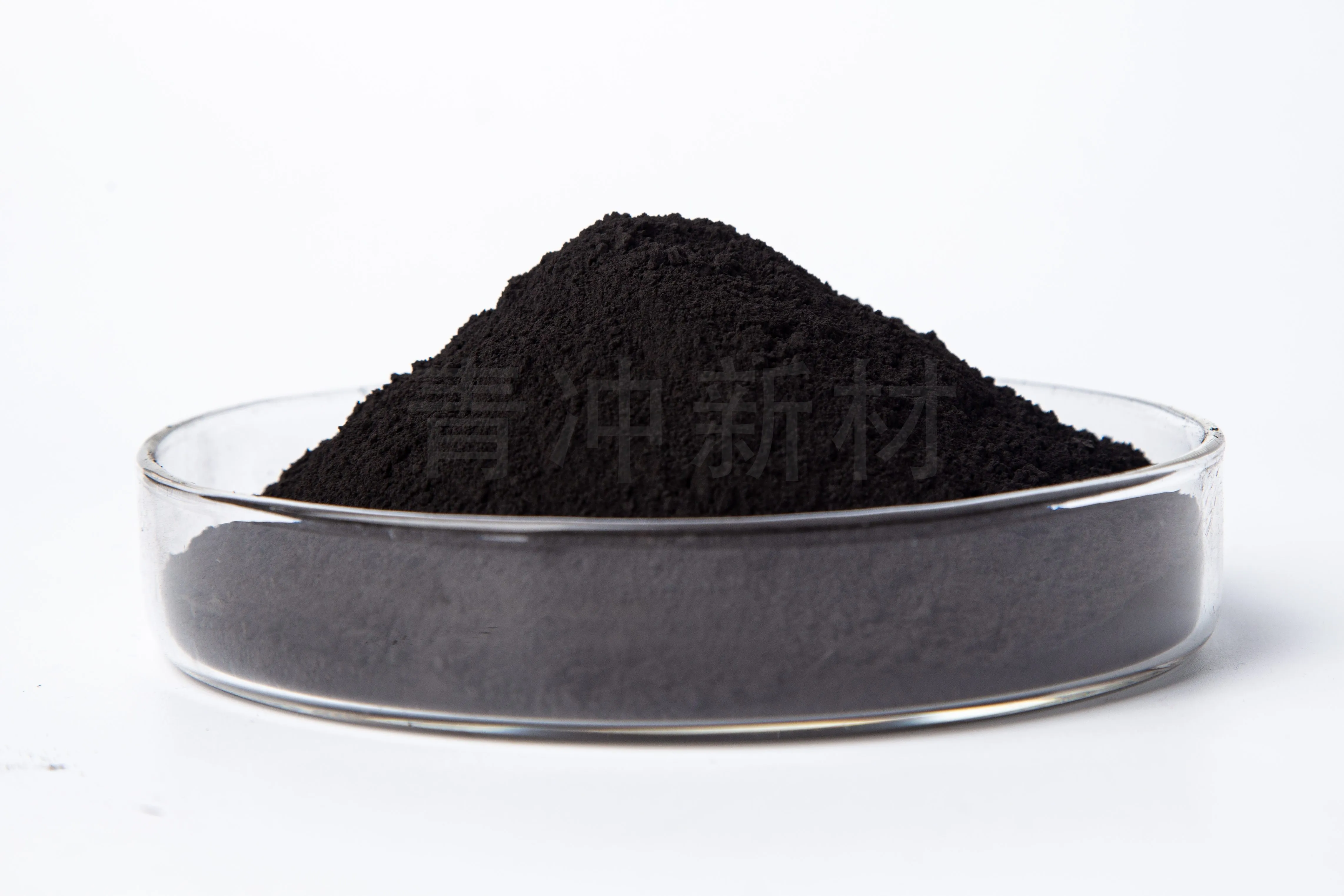
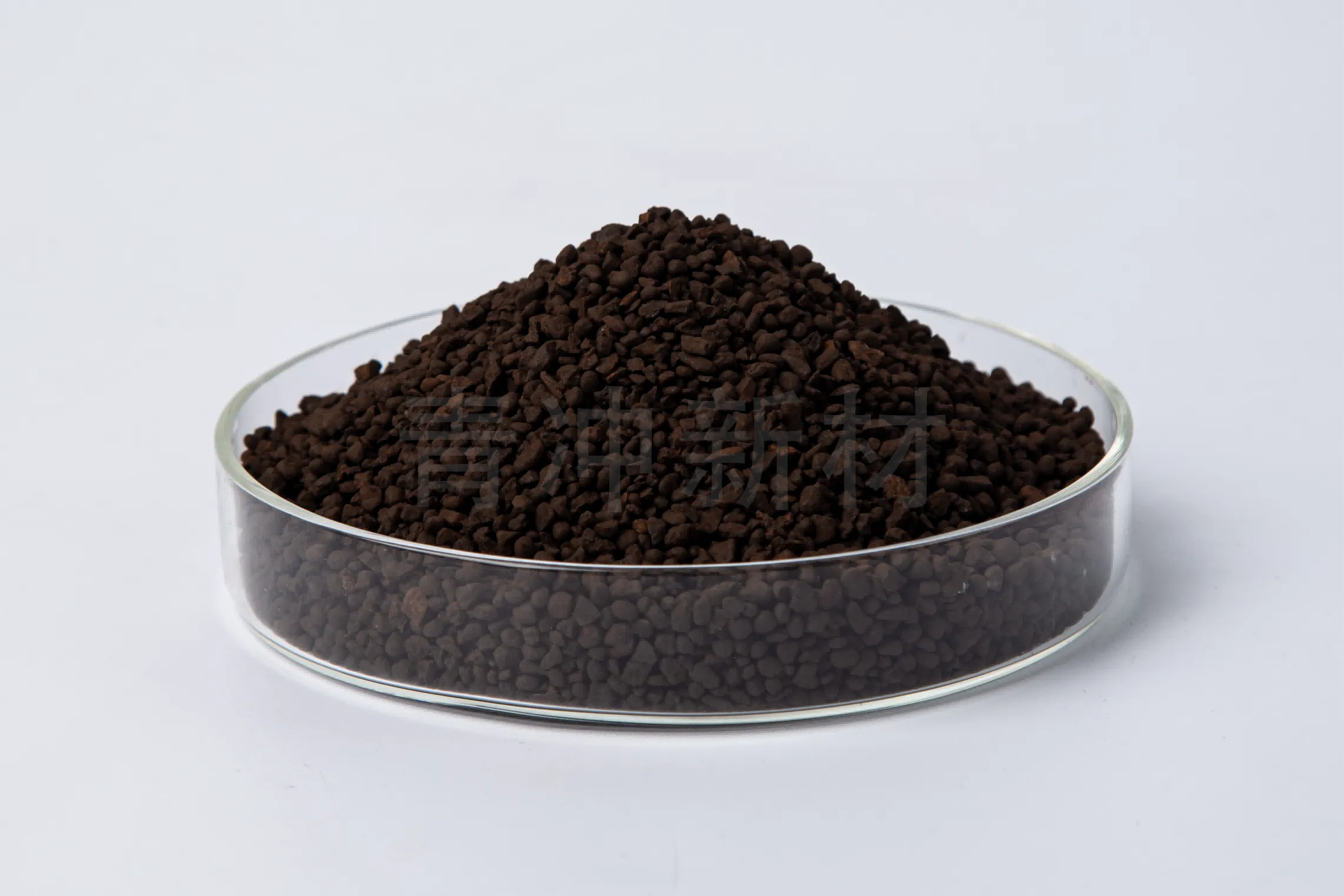
Electrolytic Manganese Dioxide (EMD)

What Determines EMD Fit in a D Cell?

A D-size designation identifies the battery’s form factor, but it does not tell a supplier which manganese dioxide material the cell requires. EMD suitability depends on the battery design and the material properties specified by its manufacturer. Those details may include the target chemistry, electrode formulation, and the acceptance tests used during material qualification. The information provided for QingChong does not state EMD purity, particle-size distribution, bulk density, or electrochemical performance, so none of these values should be inferred from the company’s general manganese chemical profile. For a meaningful technical review, distinguish the physical battery format from the requirements of the active material. Share the relevant product specification or test criteria, and identify which properties are mandatory versus preferred. QingChong’s integrated R&D, production, and sales operations provide a company-level basis for discussing manganese chemical requirements, but final compatibility still needs to be established against the buyer’s documented battery design.
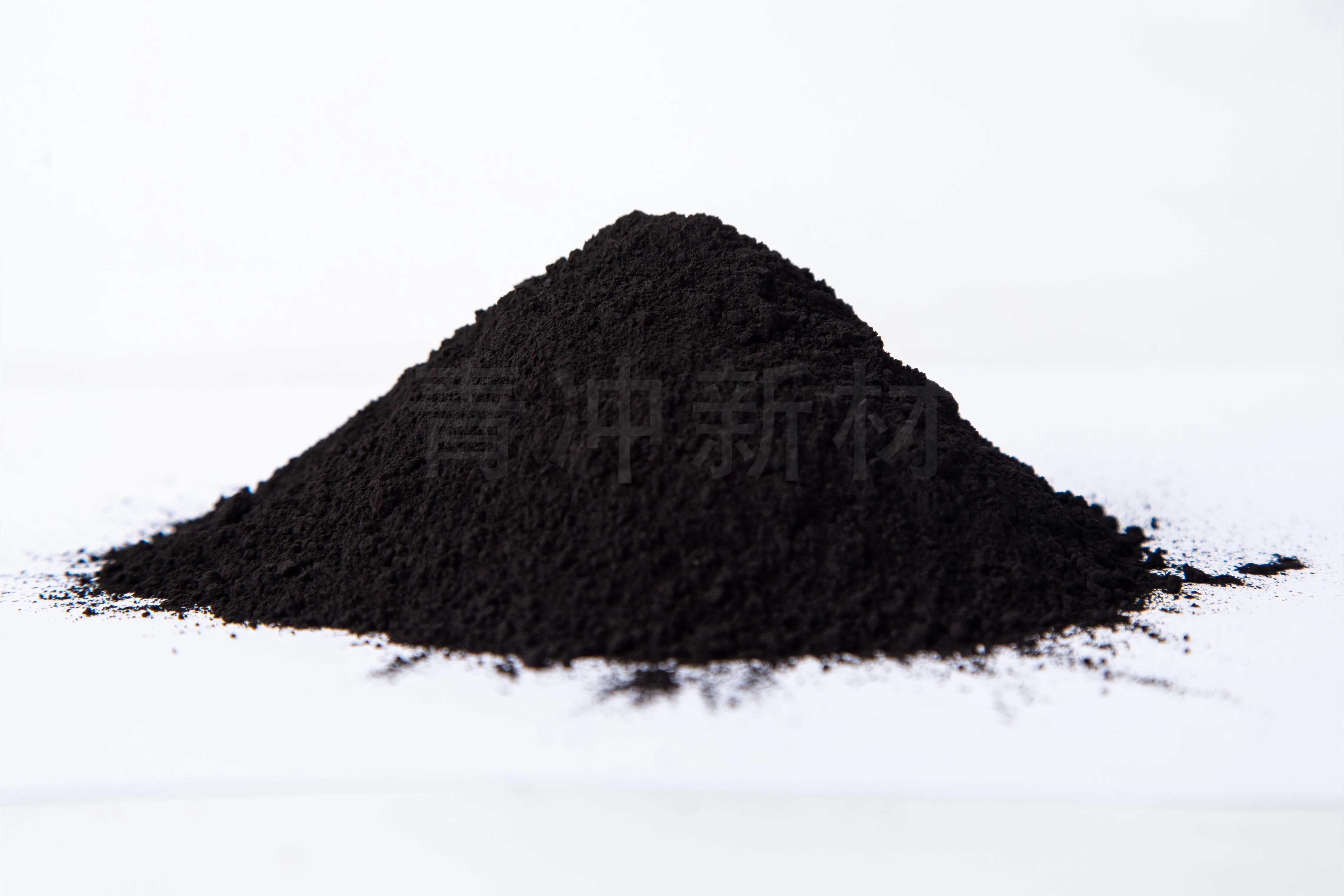
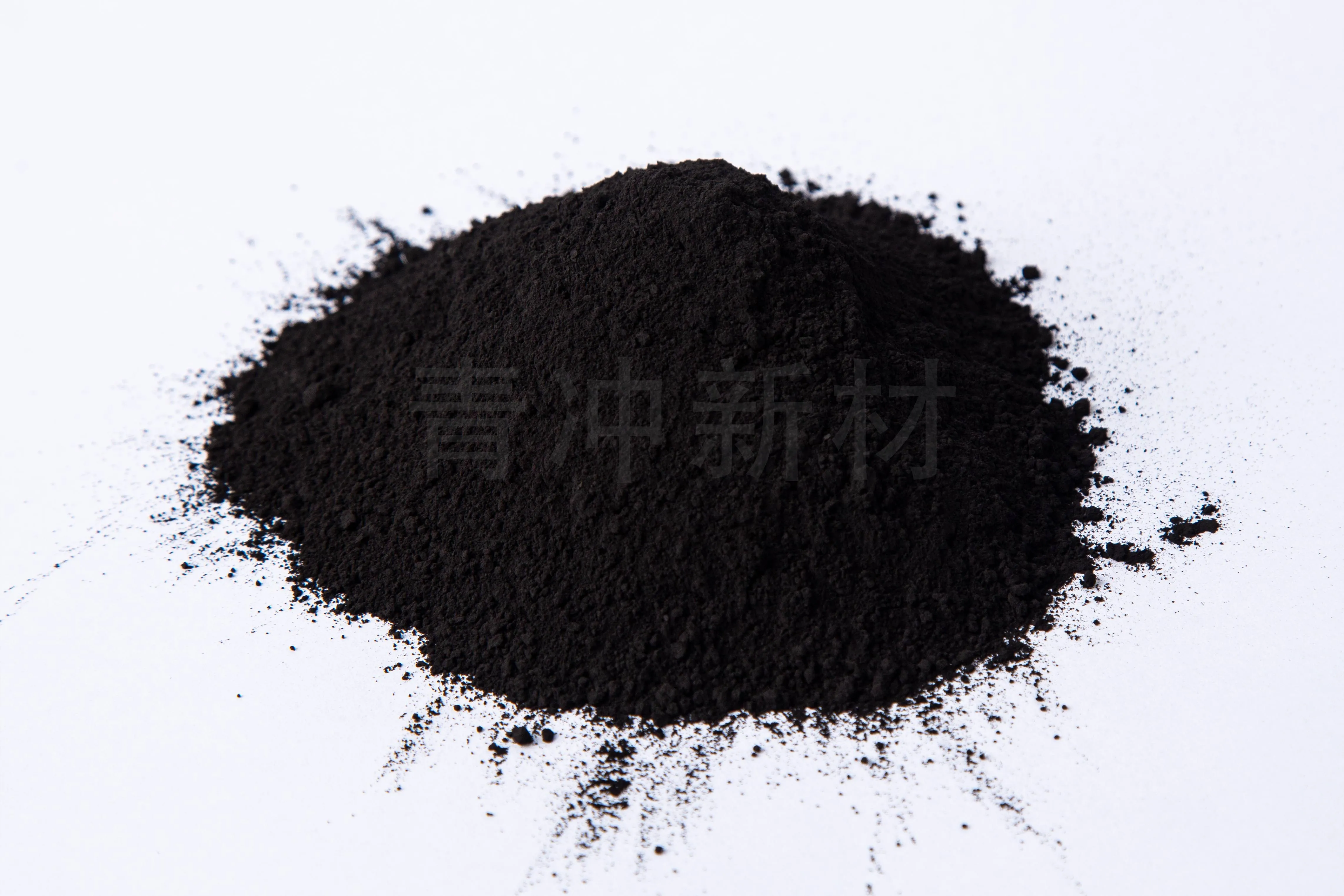
Electrolytic Manganese Dioxide (EMD)

Check Operating Duty Before Approving Material

A D cell intended for a steady, low-demand device may face different operating requirements from one used in equipment with heavier or intermittent power demand. That difference matters because the cell maker’s design and qualification criteria, rather than the D format by itself, determine whether a proposed EMD is appropriate. Buyers should assess the actual operating profile: expected load pattern, discharge conditions, storage and use environment, and any relevant temperature limits set for the finished battery. Then compare those requirements with the material specification and test evidence available from the supplier. No operating range or EMD performance data has been supplied for QingChong’s product, so suitability under a particular load or temperature cannot be claimed here. Approving a material based only on cell size can create a mismatch that may affect qualification results or finished-cell performance. Keep the evaluation conditional until the battery maker’s criteria and the EMD’s verified data have been reviewed together.

Electrolytic Manganese Dioxide (EMD)

Prepare a Technical Inquiry for EMD Supply

For a useful discussion with QingChong, prepare the target battery chemistry and cell design, the intended application, forecast material requirements, and the specification or test methods used for approval. Include the required properties and tolerances where available, along with any sample evaluation procedure your engineering team expects to follow. If the EMD is being considered as a replacement for an incumbent material, identify the existing material’s documented specification and the tests that define equivalence; a name or D-cell designation alone is not enough to establish interchangeability. QingChong’s R&D, production, and sales functions are integrated, which gives buyers a direct starting point for a technical and commercial inquiry. Its multilingual website supports communication with global markets, but specific languages, export arrangements, samples, and product availability should be confirmed directly. Request current product documentation before making a sourcing decision, and treat any proposed fit as subject to review and qualification in the buyer’s own battery design.

News

Industry updates

Products

Production modules

Why Choose Us

Manganese Expertise with Integrated Operations

QingChong New Materials focuses on manganese chemicals and combines R&D, production, and sales within one company. For buyers investigating EMD for D battery production, that integrated structure offers a direct route to discuss material requirements with a manufacturer rather than relying on the battery format as a grade specification. The company is located in Xiangtan, an important Chinese manganese production base, and reports more than 20 years of industry experience. Its quality-focused approach is supported by an ISO 9001:2008 certification passed in July 2010. QingChong was also certified as a National High-tech Enterprise in September 2019 and reports multiple invention patents developed in cooperation with local universities. These company credentials do not replace product-specific technical data or prove suitability for a particular cell. They do give procurement and engineering teams concrete points to verify during supplier assessment. QingChong also operates a multilingual website in 14 languages and serves global markets, providing a practical starting point for cross-border inquiries. Buyers should request the current EMD specification and confirm application fit before approval.

FAQ

Common technical questions

Is EMD for a D battery different from EMD for other battery sizes?

The D designation describes cell size; it does not by itself define a different EMD grade. Material requirements depend on the cell chemistry, design, and qualification specification. Compare documented product properties and test results, not battery size alone.

Can I use the same EMD in a D cell designed for a different load?

Do not assume so. A different duty profile may involve different cell design or performance criteria. Confirm the intended load and operating conditions with the battery specification, then assess the proposed EMD against the manufacturer’s qualification tests.

What should I send when asking QingChong about EMD for D battery production?

Send the battery chemistry and design, intended application, material specification or acceptance tests, and the properties your team needs verified. If evaluating a replacement, include the incumbent material’s documented criteria. Product grade and availability need confirmation directly with QingChong.

What can happen if EMD is selected based only on the D-cell format?

The chosen material may not meet the cell maker’s requirements, which can lead to qualification failure or a mismatch with the intended finished-cell performance. Verify the material specification and relevant test evidence before production approval.

Need a solution for your project?

Share your product type, target capacity, and application requirements. Our team can review the details and recommend a practical next step.

Contact Us
Whatsapp
WeChat

CONTACT US

Office Address:21/F,Zhonghan Fortune Building,Ji'an Road, Yuetang District,Xiangtan,Hunan,China

Factory Address: Heling Town, Yuhu District, Xiangtan City, Hunan Province, P.R.China

WhatsApp: 8613786275365

Fax: 86-731-52326088

E-mail: [email protected]