 EN
EN
 CN
CN
 fr
fr es
es ar
ar ru
ru de
de pt
pt tr
tr vi
vi it
it ja
ja ko
ko hi
hi
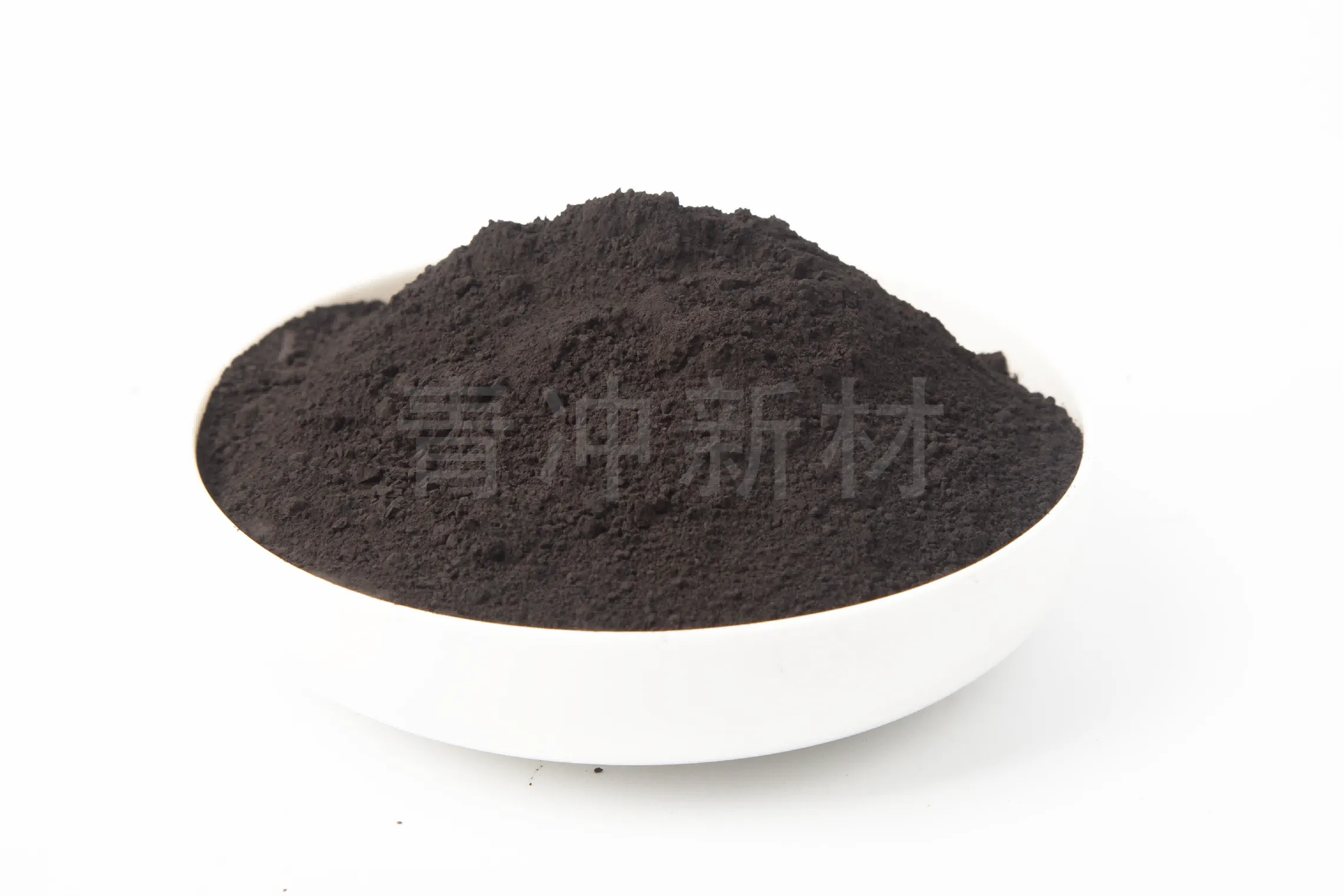
What “Discharge” Describes in a Battery Material Request
In a cell, discharge is the operating period during which stored chemical energy is delivered as electrical energy. A manganese-containing electrode material may participate in electrochemical reactions during that period, but its contribution depends on the complete cell chemistry and construction. The word “discharge” in a powder inquiry describes an intended performance context; it does not reveal the powder’s composition or prove a particular result. This is especially important when translating a production team’s shorthand into a supplier request. A formula, grade designation, and intended electrode role carry different information from a phrase about cell behavior. QingChong’s stated field is manganese chemicals, including manganese dioxide and compounds in its brand description, yet the supplied material contains no technical definition for a product called Discharge Manganese Powder. There is consequently no sound basis for describing its reaction pathway, morphology, or tested discharge characteristics as product facts. A useful technical conversation starts by separating the material question from the cell question: identify which manganese substance the team needs, then specify how discharge behavior is measured in the intended battery. Keeping those two questions distinct helps technical and purchasing staff avoid treating an application label as a specification.