
 EN
 CN
 fr
 es
 ar
 ru
 de
 pt
 tr
 vi
 it
 ja
 ko
 hi

Oxidizing agent activated carbon and manganese dioxide
For precision and high-performance tools, the use of Oxidizing agent activated carbon and manganese dioxide results to an improved dimensional accuracy and resistance to wear. It has an impact on the metallurgical processes thereby changing the cooling and heating expansion behavior of the materials. The mentioned effects are very important for machine parts that endure very high mechanical or thermal stress. Through the control over the concentration and the size of the particles, a manufacturer can achieve the desired combination of hardness, toughness, and surface finish. In addition to that, Oxidizing agent activated carbon and manganese dioxide plays a big role in getting a uniform microstructure of the alloy which, in turn, leads to fewer defects and a longer service life. Its use in engineering materials helps to improve their reliability, accuracy, and longevity. To sum up, Oxidizing agent activated carbon and manganese dioxide acts as an additive as well as a performance booster, thus supporting the applications of advanced metallurgical and industrial manufacturing processes with the least necessary aid.
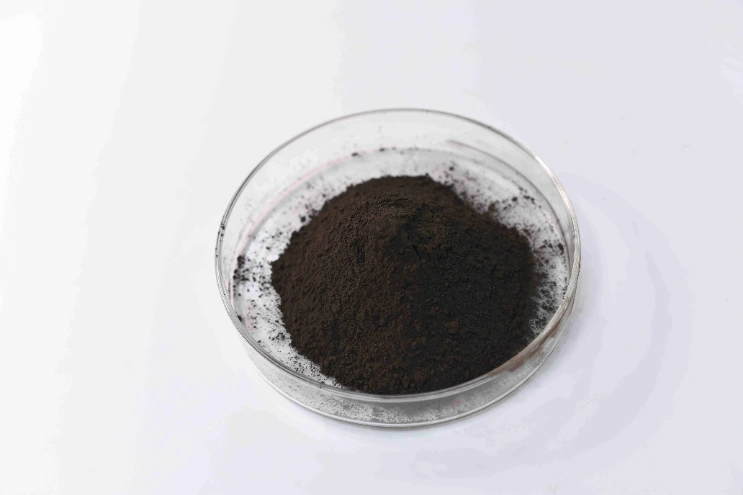
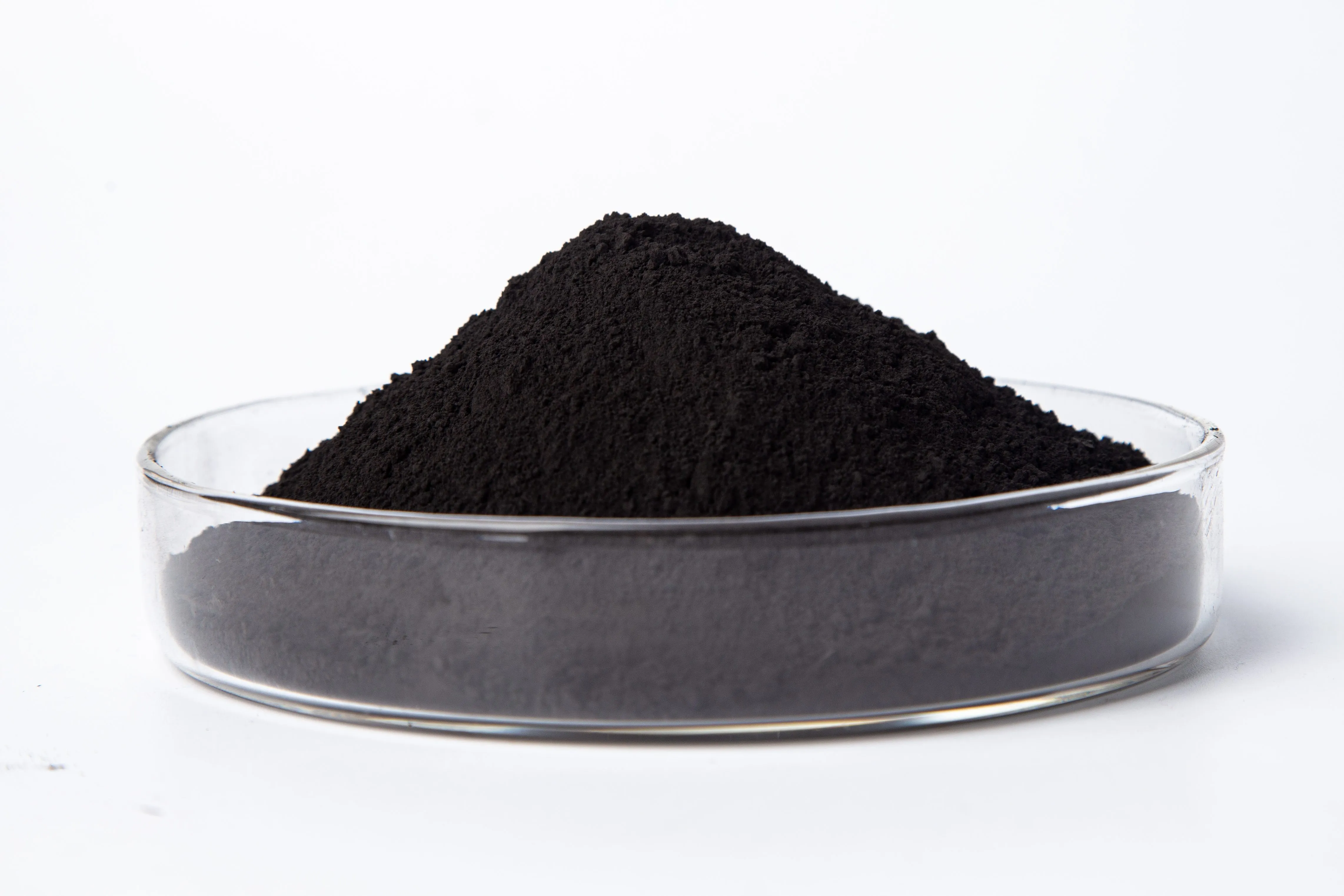
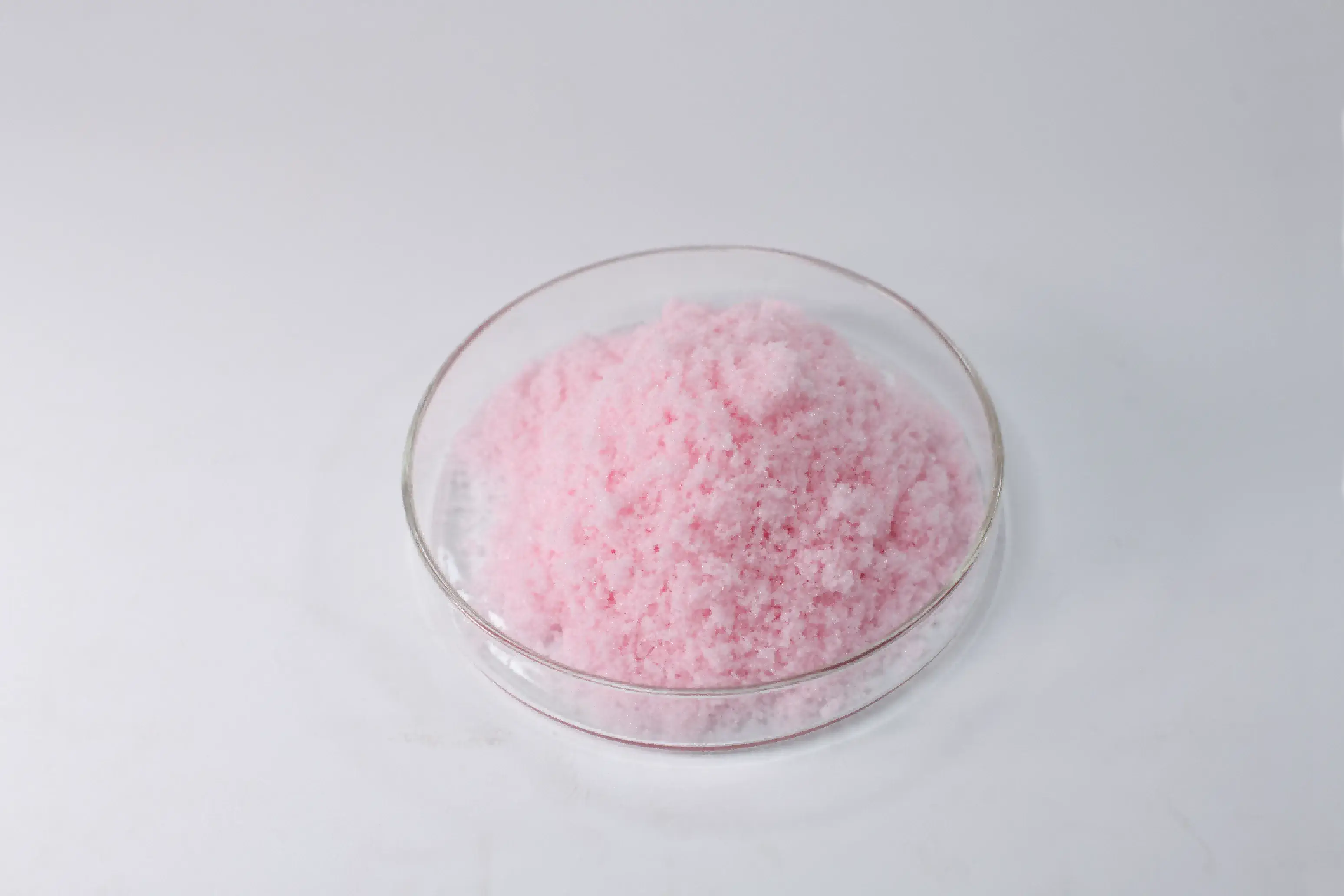
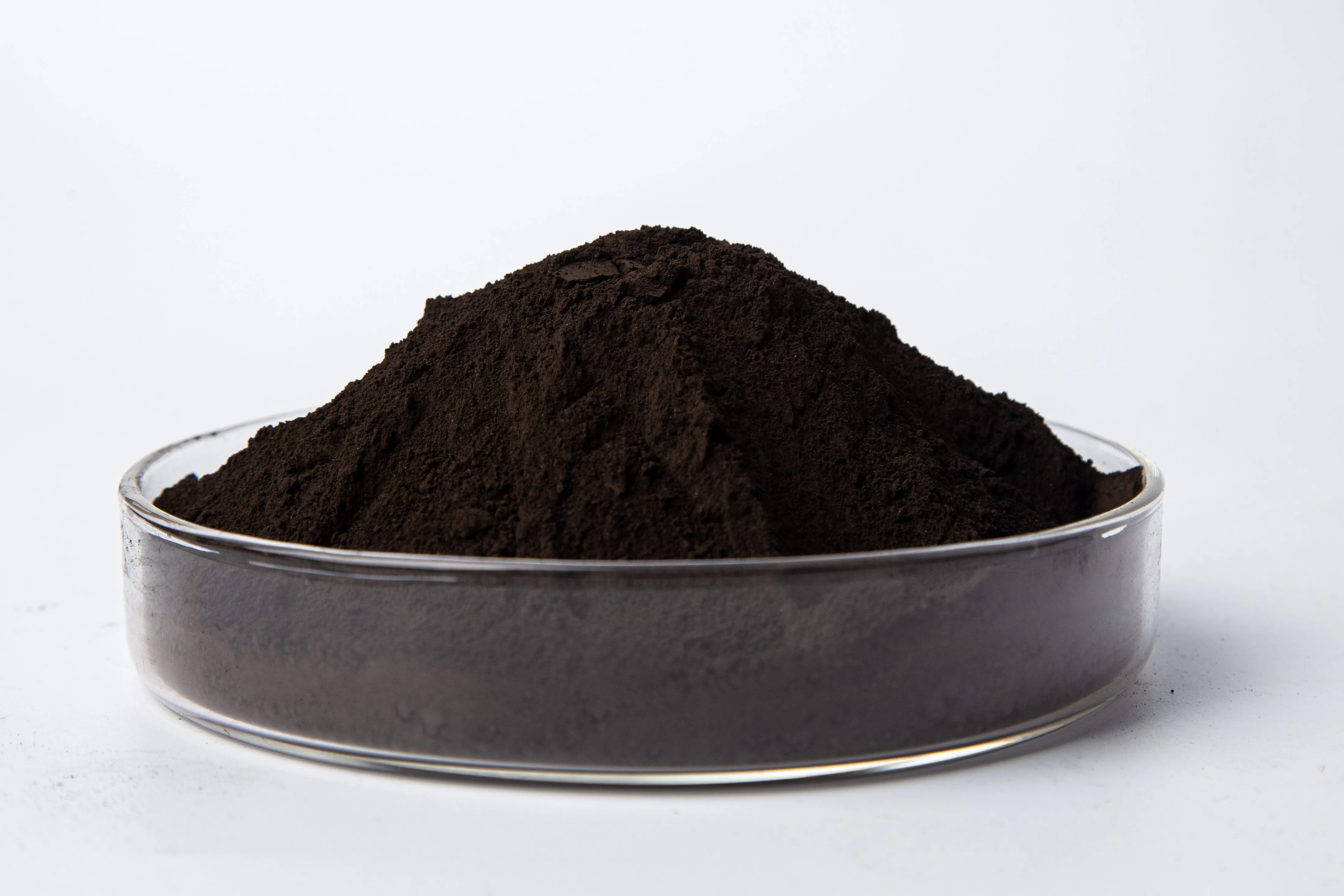
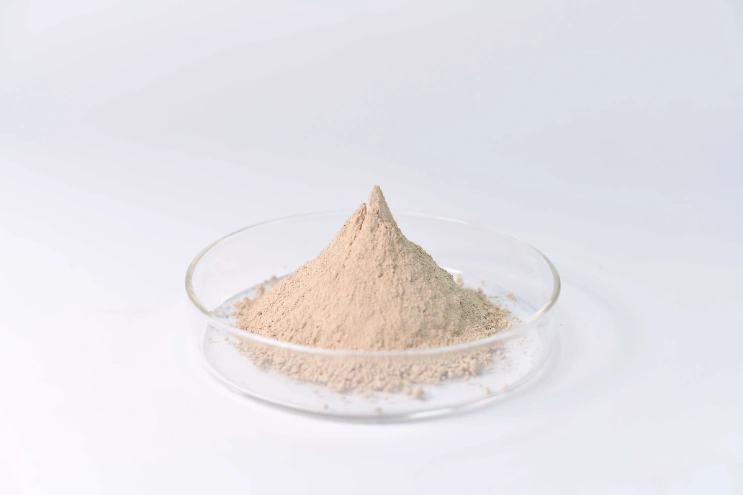
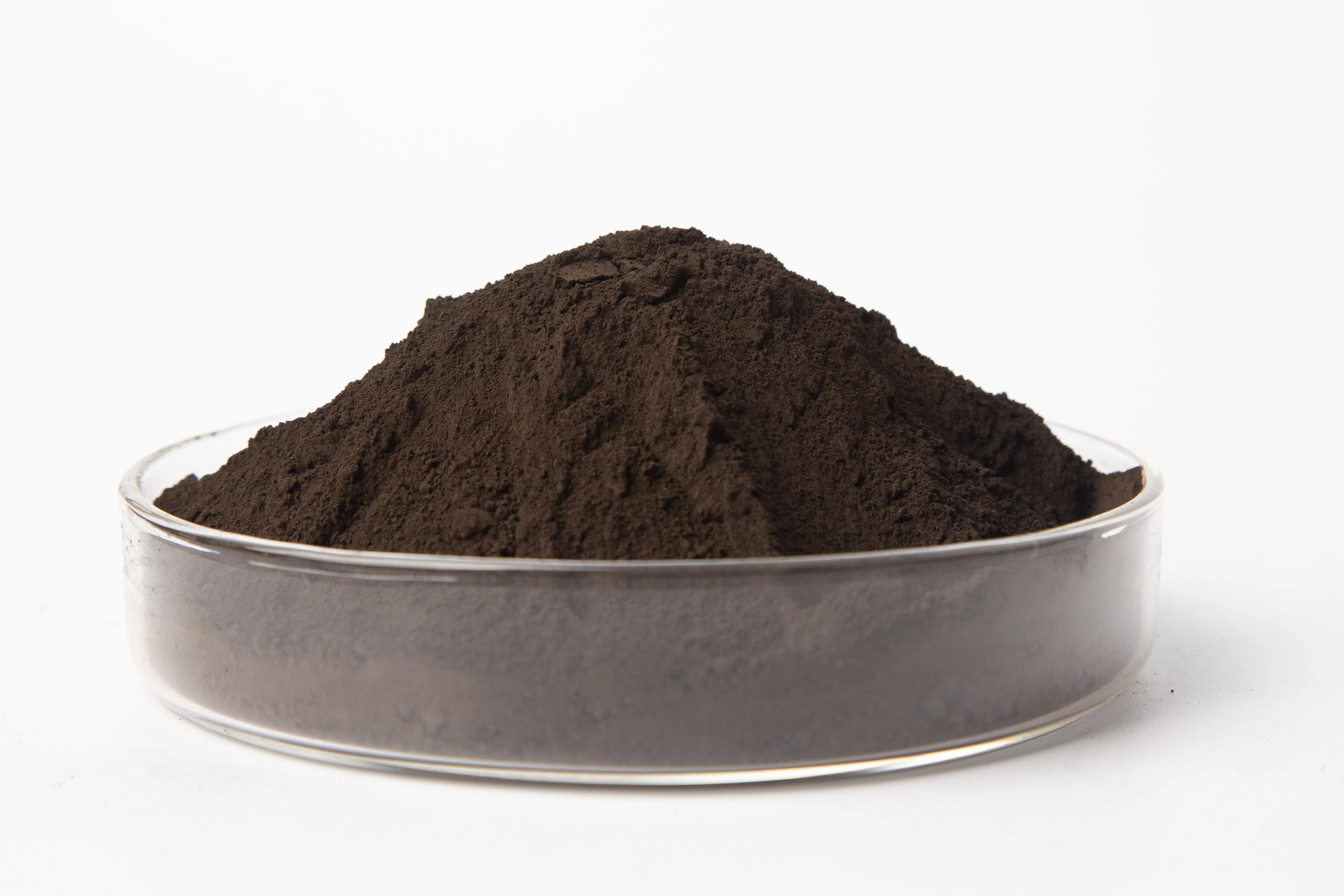
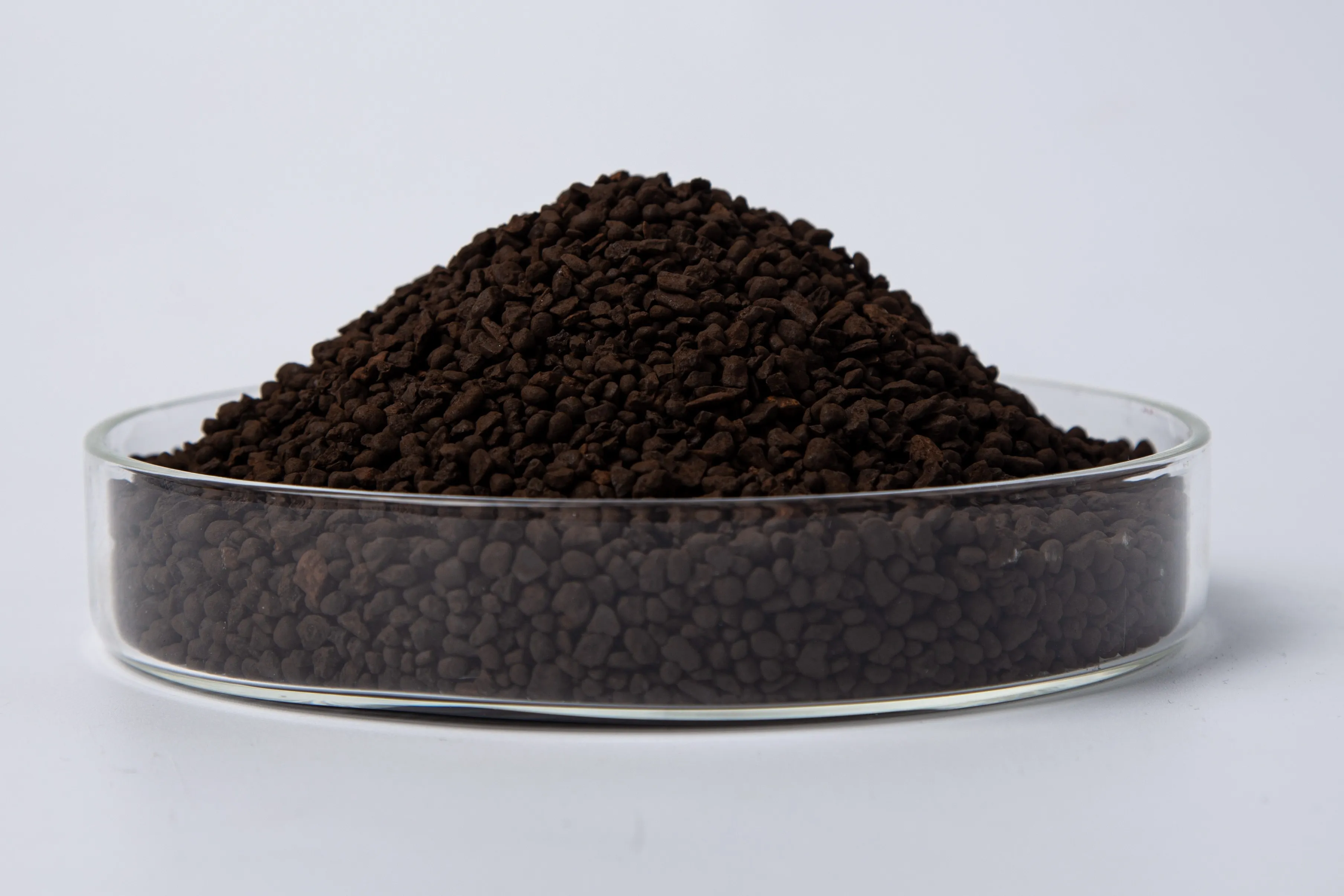
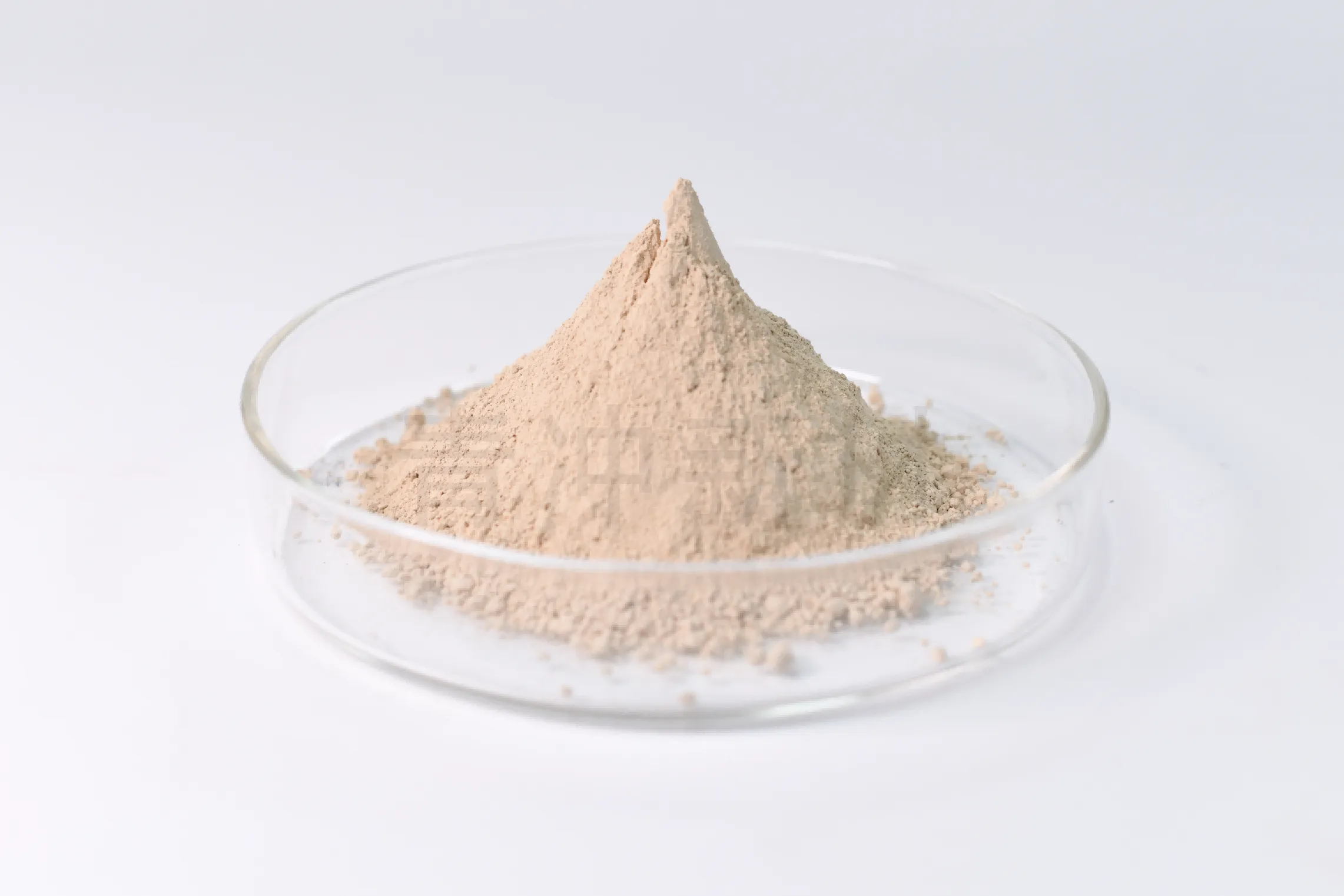
Application of Oxidizing agent activated carbon and manganese dioxide
Oxidizing agent activated carbon and manganese dioxide is utilized in specialized pigment formulations for high-temperature coatings and surface treatments. Its distinctive chemical characteristics are the reason for such properties as precise color modulation, opacity control, and thermal stability in both decorative and functional materials. Together with other metal compounds, Oxidizing agent activated carbon and manganese dioxide promotes even dispersion, thus averting color shifts and surface imperfections. It is used in ceramics, glass, and industrial finishes, where it not only improves aesthetic consistency but also prolongs the life of the functional property. The optical and thermal performance metrics targeted by manufacturers with Oxidizing agent activated carbon and manganese dioxide are precisely the ones supporting the applications where visual quality, heat resistance, and long-term stability are required. Its flexibility guarantees its use in a wide range of decorative and technical applications.
The future of Oxidizing agent activated carbon and manganese dioxide
Oxidizing agent activated carbon and manganese dioxide is expected to play a crucial role in the development of magnetic and electronic devices in the future. The ongoing reduction in size of elements is going to result in great advantage due to its magnetic permeability, conductivity, and energy efficiency enhancement. The new techniques for processing might permit the manipulation of the orientation and distribution of particles, thus leading to the best flux management in small transformers, inductors, and sensors. As the performance and energy loss of the electronic systems are constantly being raised, Oxidizing agent activated carbon and manganese dioxide will continue to be a vital substance for the production of trustworthy, compact, and energy-efficient electronic components in the technologies of the future.
Care & Maintenance of Oxidizing agent activated carbon and manganese dioxide
The first step in taking proper care of Oxidizing agent activated carbon and manganese dioxide is to have controlled storage conditions. The material needs to be stored in a dry and well-ventilated place so that it does not absorb moisture which affects its flowability and consistency. Sealed containers or moisture-resistant packaging can be used to ensure the integrity of the particles during long-term storage. It is advisable to regularly inspect the packaging and check the integrity so that the risks of contamination are reduced to the minimum. Keeping the temperature of the ambient environment stable also helps in having the same quality of material. Manufacturers can use organized inventory rotation and clear labeling to maintain the physical quality of Oxidizing agent activated carbon and manganese dioxide in the different storage and handling stages thus ensuring reliable performance during the processing or manufacturing operations.
QingChong Oxidizing agent activated carbon and manganese dioxide
In the production of steel and aluminum alloys, Oxidizing agent activated carbon and manganese dioxide plays a significant role by improving both mechanical and chemical properties. When used in very small amounts, it is able to boost hardness, tensile strength, and corrosion resistance of the metals. This makes the alloys suitable not only for structural but also for automotive and aerospace applications. During the metal processing, Oxidizing agent activated carbon and manganese dioxide reacts with other elements used for alloying and in this way affects the periode of crystallization and the development of microstructure. The uniformity of the particle shape ensures that the distribution in the melted metal is the same which also leads to the formation of no weak points. As a result, the alloys exhibit greater durability and perform better even under extreme mechanical and environmental stress. With the strategic integration of Oxidizing agent activated carbon and manganese dioxide, manufacturers are able to get the material properties that are suitable in very demanding industrial applications, hence the parts in engineering will have durability and reliability like never before.
FAQ
Q: What is the main application of Manganese Carbonate in industry? A: Manganese Carbonate finds application as a basic material for the manufacturing of manganese oxides, specialty alloys, ceramics, and battery-related materials in the course of industrial development. Q: What color and powder form do Manganese Carbonate mostly have? A: It is normally a light pink or pale powder with a fine particle size distribution making it suitable for mixing and processing. Q: Will Manganese Carbonate be available in different particle sizes? A: Indeed, the particle size can be set during the production phase according to the particular processing or application requirements. Q: Can Manganese Carbonate withstand high-temperature processing? A: Its high-temperature processing behavior is very good under strict temperature control, especially during the technical transformation of materials and calcination. Q: Which sectors are the main consumers of Manganese Carbonate? A: It is especially needed in the metallurgy, chemical manufacturing, ceramics, electronics, and energy-related sectors.
Reviews
Charlotte Martin
Manganese Oxide supplied is of superior quality, with uniform particle size and stable chemical composition. It has allowed predictable alloying and chemical reactions, enhancing workflow efficiency in our production lines.
Michael Brown
Using Manganese Filter Media has transformed our water treatment operations. The media’s uniformity and efficiency have improved filtration rates and reduced maintenance. The supplier’s technical support helped us implement it seamlessly into our existing systems.
Latest Inquiries
To protect the privacy of our buyers, only public service email domains like Gmail, Yahoo, and MSN will be displayed. Additionally, only a limited portion of the inquiry content will be shown.
Lucas****@gmail.comAustralia
Hello, we are interested in Chemical Manganese Dioxide for industrial chemical reactions. Please sha...
Noah****@gmail.comSouth Africa
Hello, we are interested in sourcing Manganese Oxide for metallurgical applications. Please send spe...
Related product categories
- precipitated activated manganese dioxide factory
- ACMD factory
- activated manganese dioxide price
- active manganese dioxide price
- activated manganese dioxide acmd price
- activated carbon and manganese dioxide price
- activated manganese dioxide manufacturers price
- activated manganese dioxide powder price
- activated manganese dioxide preparation price
- activated manganese dioxide producers price
- activated manganese dioxide suppliers price
- activated manganese dioxide synthesis price